AR Code Object Capture
 AR Splat
 AR GenAI
 AI Code / AI Try-On
 AR Face Filter
 AR Video
 3D Files Upload
 AR Logo
 AR Photo
 AR Portal
 AR Text
 AR Data API
 Education & Schools
 E-commerce Brands & Online Stores
 Fitness & Sports Clubs
 Manufacturing, Training & Safety
 Marketing Teams & Agencies
 Museums & Exhibitions
 Real Estate & Property Marketing
 Restaurants & Cafés
 Retail Stores & Showrooms
 Smart Cities & Urban Development
 Books, Guides & Magazines
 Business Cards
 Event Posters & Banners
 Event Tickets & Access
 Flyers & Brochures
 Labels & Product Information
 Machinery & Equipment
 Product Packaging
 Websites & Online Stores
Museum Augmented Reality: What 208 Studies Reveal About Better Visitor Experiences
WebAR | 26/10/2026 |
What if a museum visitor could explore a fragile historical object in 3D, discover the story behind a painting, or step inside a reconstructed exhibition space using only a smartphone?
Augmented reality (AR) is making these experiences possible by adding digital objects and information to the world around us. And new academic research suggests that museum professionals have good reasons to explore what this technology can offer beyond the initial excitement.
On October 23, 2026, researchers published a major systematic review examining 208 academic publications about augmented reality and virtual reality in museums. Published in the journal Heritage, the study highlights the growing attention given to visitor engagement, education, cultural preservation, and accessibility.
For museums, galleries, and cultural organizations, the message is an opportunity: thoughtfully designed digital experiences can help visitors discover more from the collections they already love.
What the Latest Museum Augmented Reality Research Reveals
The new systematic review of virtual and augmented reality in museums was conducted by researchers affiliated with The Hong Kong Polytechnic University. It examined 208 publications dating from 2000 to 2026, identified through the Scopus and Web of Science research databases.
Approximately 80% of the publications appeared between 2020 and 2026. Of the 208 papers, 72 were classified as focusing on augmented reality, while others addressed virtual reality, mixed reality, or combinations of immersive technologies.
The researchers identified several recurring topics, including:
- Visitor engagement and immersive experiences: how digital experiences relate to attention, interest, and interaction.
- Education and learning: how museums can help audiences understand complex subjects.
- Cultural heritage preservation: how digital representations can document and communicate historical objects and settings.
- Technology adoption: what encourages visitors and institutions to use immersive tools.
- Accessibility: how immersive experiences might support visitors with different needs.
Importantly, this is a review of research themes, not a single experiment proving that AR improves every museum visit. Its value lies in showing where research attention has concentrated and which questions museums should consider when planning new experiences.
Why Augmented Reality Makes Museum Exhibits More Interactive
Traditional exhibitions often rely on physical objects, written descriptions, photographs, and guided tours. These remain essential, but they cannot always communicate everything a visitor wants to know.
Consider an ancient sculpture. A visitor may see its shape and read when it was created, but still wonder how it was used, what the missing pieces looked like, or how it originally appeared.
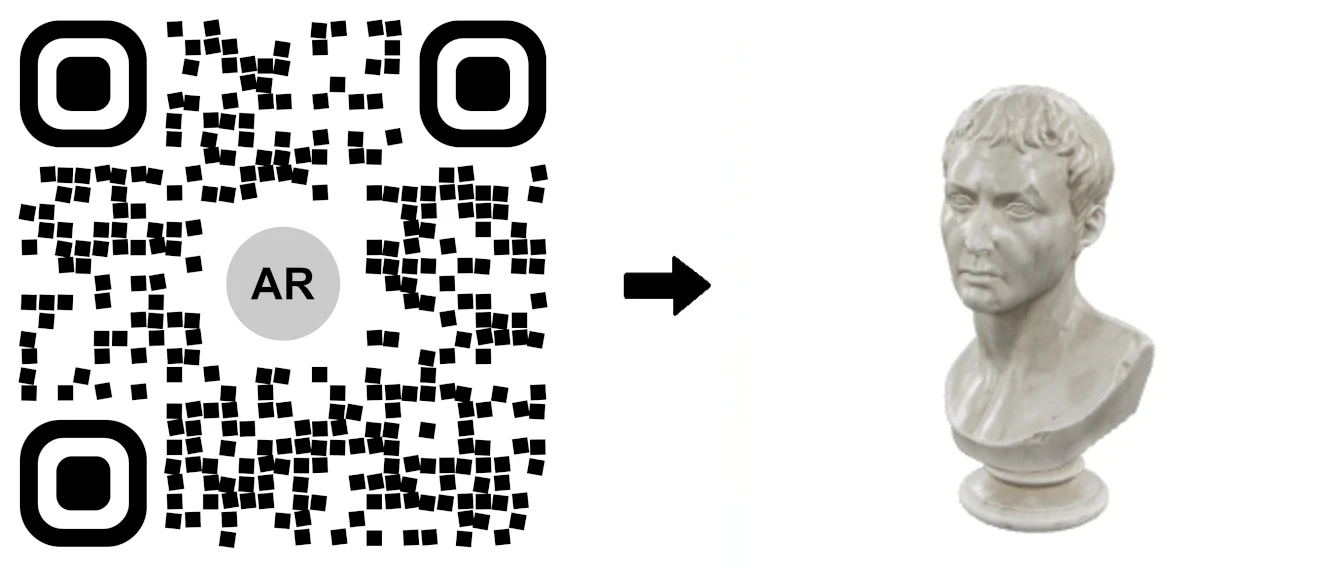
AR introduces another way to explore those questions. A digital 3D representation can be viewed from different angles, while supporting images and videos can explain the object's historical context.
Rather than replacing authentic collections, these experiences can complement them. A visitor can observe the original artifact and then explore additional information at their own pace.
AR Code's augmented reality solution for museums and exhibitions supports this approach by connecting exhibit labels, printed guides, and gallery signage to interactive AR content through scannable QR Codes. Visitors with compatible smartphones can open the experiences without installing a dedicated application.
Bring Museum Artifacts to Life with Interactive 3D Models
One practical museum application is creating digital versions of physical objects that visitors cannot easily handle.
Historic ceramics, sculptures, archaeological discoveries, and delicate artworks may need to remain behind glass. A 3D representation gives audiences another way to appreciate their form and details.

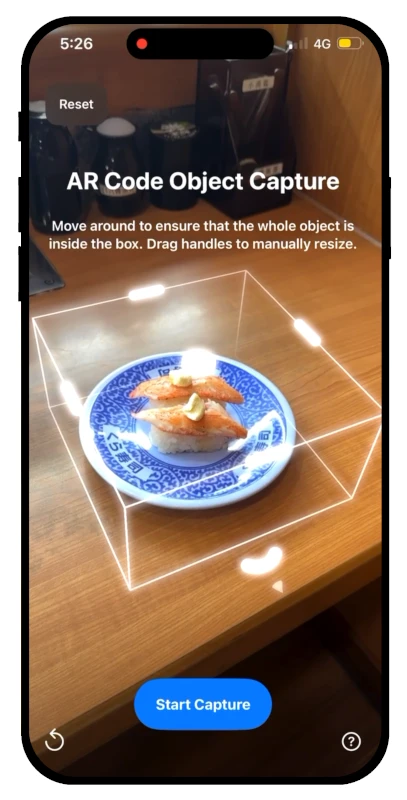
With AR Code Object Capture for 3D scanning, institutions can create digital models from suitable physical objects and share them through AR QR Codes. The tool supports Object Capture through its web interface and compatible Apple devices.
Imagine a gallery displaying a small ceramic figurine. A label beside the display could invite visitors to scan and examine its digital counterpart in augmented reality. An educator could use the same model in an outreach lesson, allowing students to explore the object outside the museum.
This creates opportunities for exhibitions, online collection previews, and educational activities. Museums should still follow their normal conservation, photography, and rights-management procedures when digitizing collections.
Make Museum Learning More Visual and Memorable
Education is another major theme in the 2026 review. For cultural institutions, this raises a useful design question: how can interactive content help visitors understand an exhibit rather than simply entertain them?
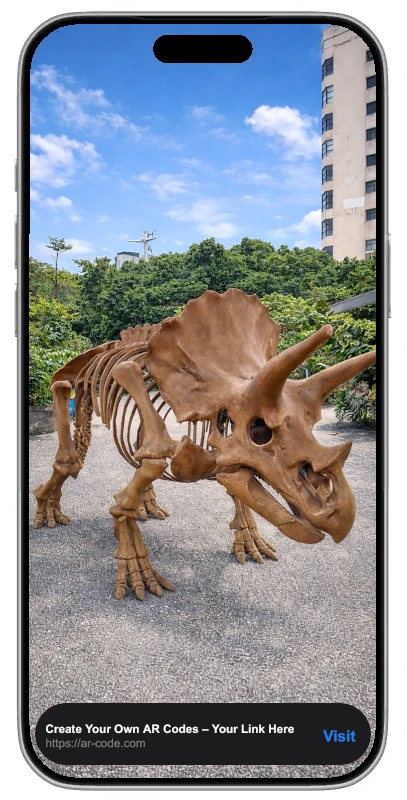
In a natural history gallery, for example, visitors could examine a digital dinosaur skeleton alongside a fossil display. A teacher might ask students to compare the model with the bones in the exhibition and identify important differences.
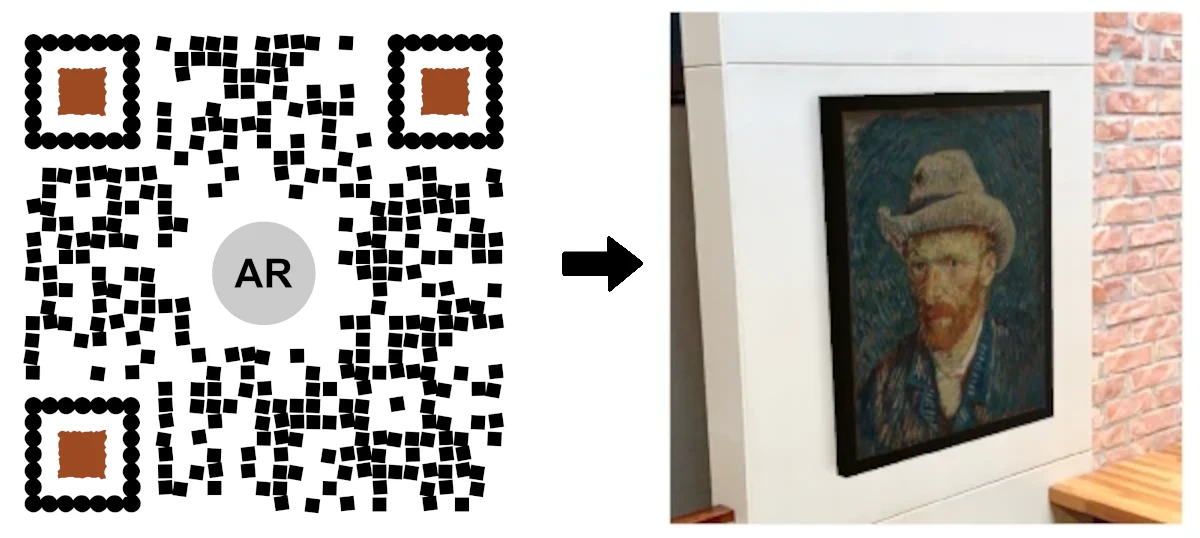
For art museums, AR Photo offers another creative option. It turns images into augmented reality presentations that can be shared through AR QR Codes. Curators could use these experiences to present historical imagery, visual comparisons, or supporting artwork.
The most valuable experiences begin with a learning objective. Instead of asking how much technology can fit into an exhibition, start with the one idea a visitor should understand or remember.
That simple decision can guide the choice of digital content, from a rotating 3D object to a short visual explanation.
Extend Cultural Storytelling Beyond the Exhibition Room
Not every visitor can travel to a museum, and not every collection can remain on permanent display. Digital experiences offer another way for institutions to share their stories with wider audiences.

An institution could provide a preview of a gallery, recreate part of a historical interior, or let prospective visitors discover an exhibition before making the trip.
AR Code's AR Portal solution for immersive virtual spaces creates augmented reality environments from 360-degree photographs. A museum could use it to share a panoramic view of an exhibition room through a scannable AR Code.
This kind of experience can complement physical attendance while supporting school programs, tourism promotion, and digital outreach.
For marketing teams, it also provides a more engaging way to introduce an exhibition than a conventional promotional image alone. The goal is to help potential visitors understand what makes the collection worth exploring.
Accessibility and Simplicity Should Shape Museum AR Design
The new review also identifies accessible tourism for people with disabilities as an area of museum AR research. It is an important topic, although a smaller part of the literature examined.
Technology alone does not make an exhibition accessible. Museums must consider whether information is understandable, navigation is comfortable, and alternative formats are available.
A useful AR experience should therefore include clear instructions and, where appropriate, captions, readable text, audio alternatives, or equivalent non-AR content.
Reducing unnecessary setup is another practical consideration. AR Code's web-based QR approach allows visitors on supported devices to open AR experiences without downloading a separate app. This removes one potential barrier, although institutions should still test device compatibility, connectivity, and usability in their own galleries.
The objective is to make cultural content easier to explore, not to require every visitor to use a smartphone.
How Museums Can Launch a Practical AR Exhibit Pilot
A museum does not need to transform an entire exhibition immediately. Beginning with one carefully chosen artifact can reveal what visitors find useful and what needs improvement.
A straightforward pilot could follow five steps:
- Choose one exhibit that visitors frequently ask questions about or find difficult to understand.
- Define a clear learning goal, such as explaining an object's original use or revealing details that are hard to see.
- Prepare suitable digital content, such as a 3D model, an AR Photograph, or a virtual room.
- Add a visible AR QR Code beside the exhibit with a simple invitation to explore.
- Test the experience with visitors, collect feedback, and refine the content before expanding.
A pilot also helps curators understand practical requirements, including lighting, mobile connectivity, exhibit labeling, and the time needed to maintain digital content.
Start small, evaluate carefully, and expand where the experience provides a clear benefit.
Measure Engagement, but Keep Visitor Learning in Focus
How can museums determine whether an AR experience is worthwhile?
Scan activity is one useful starting point. AR Code provides analytics that help institutions track interactions with their published experiences. These insights can show which digital exhibits attract interest and support decisions about content updates.
However, scans alone do not prove that visitors learned something or enjoyed the experience.
A stronger evaluation combines engagement information with short visitor surveys, observations, and questions about understanding. For example, a museum could ask whether a 3D model helped explain the object, whether the instructions were clear, and whether visitors would recommend the activity.
These measures can help teams distinguish meaningful interpretation from a digital feature that attracts attention but adds little educational value.
What the 2026 Research Means for the Future of Museums
The October 2026 review provides a valuable picture of how augmented and virtual reality are being studied across museum settings. It also identifies open questions around authenticity, adoption, accessibility, privacy, and educational effectiveness.
The authors acknowledge limitations in their review, including its focus on English-language journal articles from two databases and the absence of a formal assessment of evidence strength.
For museum professionals, this makes careful implementation especially important. Immersive technology should support a collection's story, respect its historical context, and respond to genuine visitor needs.
The encouraging opportunity is that museums can begin experimenting with relatively focused projects. A digital artifact, a thoughtful interpretive experience, or a virtual exhibition preview may be a useful starting point.
Building More Engaging Museum Experiences, One Exhibit at a Time
Augmented reality offers museums an additional storytelling tool: one that can connect physical collections with interactive explanations, digital objects, and immersive spaces.
The latest research review reinforces the importance of visitor engagement, education, and thoughtful technology adoption while reminding institutions that good outcomes depend on good design.
For museums ready to explore this approach, AR Code provides tools for creating and sharing interactive 3D exhibit content through AR QR Codes. Begin with a meaningful visitor question, choose the right experience, and discover how digital storytelling can complement the objects and spaces that make your museum unique.
Frequently Asked Questions
How is augmented reality used in museums?
Augmented reality in museums allows visitors to explore interactive 3D artifacts, discover historical information, and experience digital storytelling through their smartphones. By scanning AR QR Codes placed beside exhibits, visitors can access immersive educational content that complements physical collections and makes museum experiences more engaging.
What are the benefits of augmented reality for museum visitors?
Augmented reality can make museum visits more interactive, visual, and informative. Visitors can examine virtual representations of fragile artifacts, discover additional historical context, and explore exhibits at their own pace. AR also creates opportunities for immersive learning and digital accessibility, although the effectiveness of individual experiences depends on their design and implementation.
Do museum visitors need to download an app to experience AR exhibits?
Not necessarily. With AR Code for museums and exhibitions, visitors can scan an AR QR Code using a compatible smartphone to access augmented reality experiences without downloading a dedicated application. Museums can connect exhibit labels, informational signs, and printed guides to interactive 3D models and other digital content.
How can museums create augmented reality exhibits with AR Code?
Museums can start by selecting an artifact or exhibition they want to enhance with interactive content. AR Code provides tools for creating 3D models using Object Capture, presenting images through AR Photo, and sharing immersive environments with AR Portal. Once an experience is prepared, museums can generate an AR QR Code and place it near the exhibit. Visitors can then scan the code to explore the digital experience on supported devices.
WebAR - Latest Blog Posts
World Cup 2026 AR Face Filter Flags: App-Free AR QR Codes for Football Supporters

AR Code gives World Cup 2026 supporters an app-free AR Face Filter experience! By scanning a country-specific AR QR Code, fans can instantly display their national flag on both cheeks in augmented reality, directly from their smartphone browser. They can then capture the moment and share it with friends or on...
8th Wall Is Shutting Down: Timeline, Impact, and the Best 8th Wall Alternative for WebAR

With the 8th Wall shutdown on the horizon, businesses, agencies, and developers that depend on browser-based augmented reality must quickly secure a new partner to deliver WebAR experiences. As 8th Wall sunsets after seven years, finding a strong 8th Wall alternative is key for ongoing AR innovation and campaign...
3DQR vs AR Code: A Comparative Study of QR Code-Based Augmented Reality Solutions
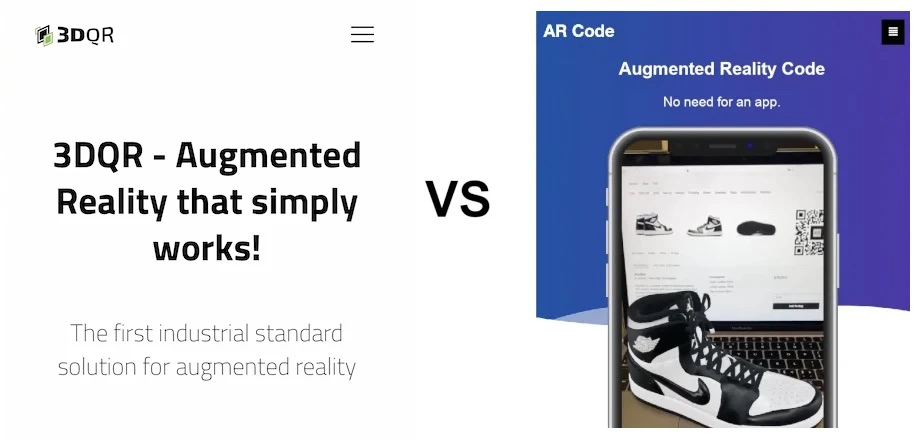
Augmented Reality is transforming how businesses operate and connect with customers. AR Code and 3DQR are leading AR SaaS platforms that empower businesses to deliver interactive digital experiences, foster stronger client relationships, and maximize ROI. This comparison details their key features and strategic...
Blippar VS AR Code: WebAR SaaS Platforms Compared
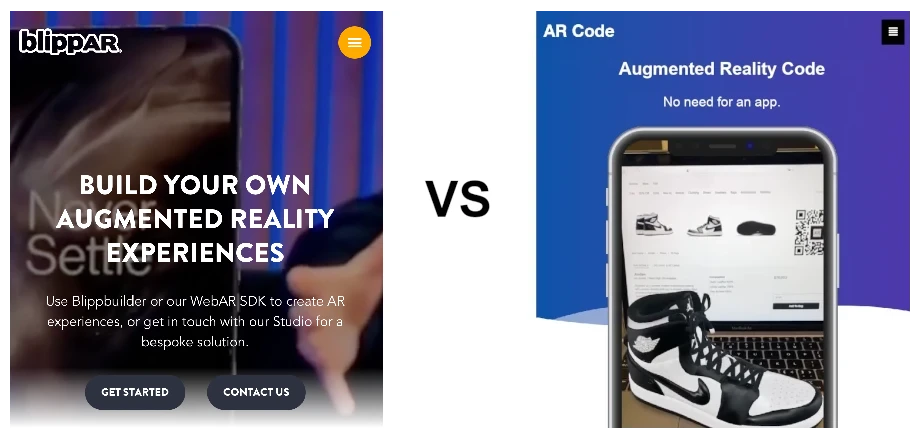
WebAR platforms like AR Code and Blippar are revolutionizing business-customer engagement by delivering interactive augmented reality experiences directly in web browsers. With no app downloads required, brands can amplify marketing, enhance product packaging, retail, and event interactions, and drive higher digital...
8thWall VS AR Code: Comparing WebAR SaaS for Your Business
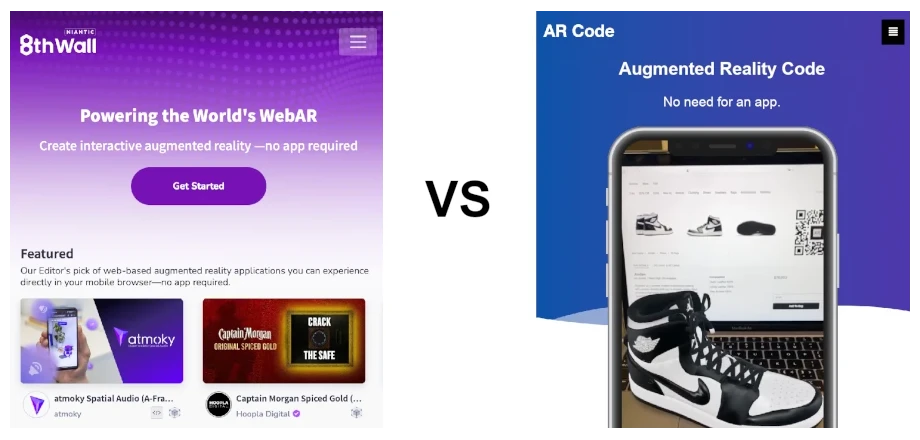
Web-based augmented reality (AR) is revolutionizing business marketing, sales, and product demonstrations by enabling browser-based AR experiences without an app. The AR Code SaaS platform empowers companies to deliver interactive AR directly through QR Codes, driving customer engagement in retail, e-commerce,...
162,376 AR experiences
72,628 Scans per day
148,524 Creators