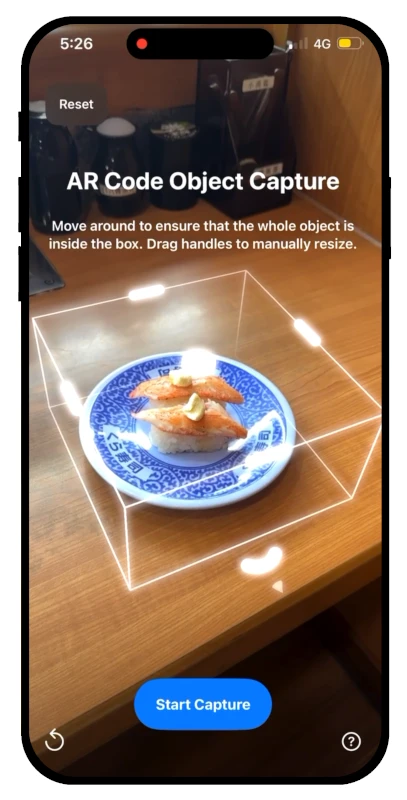
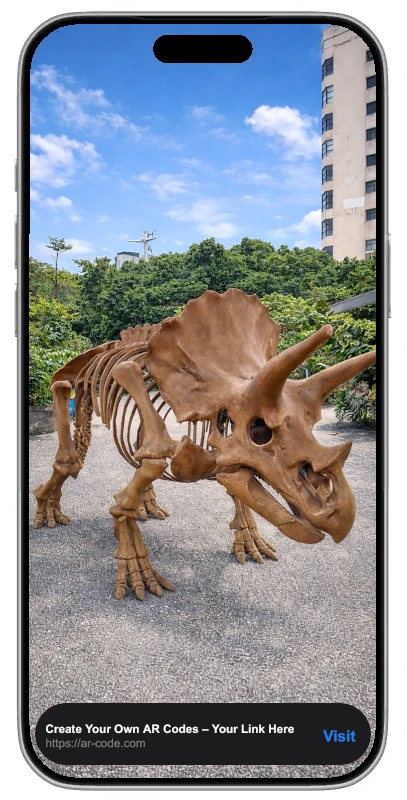
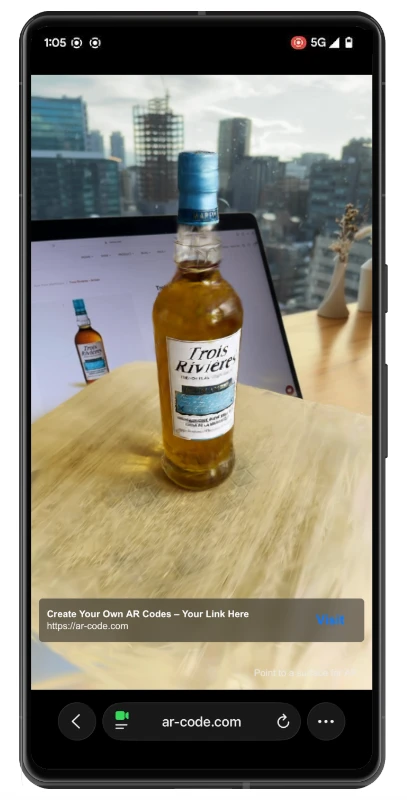
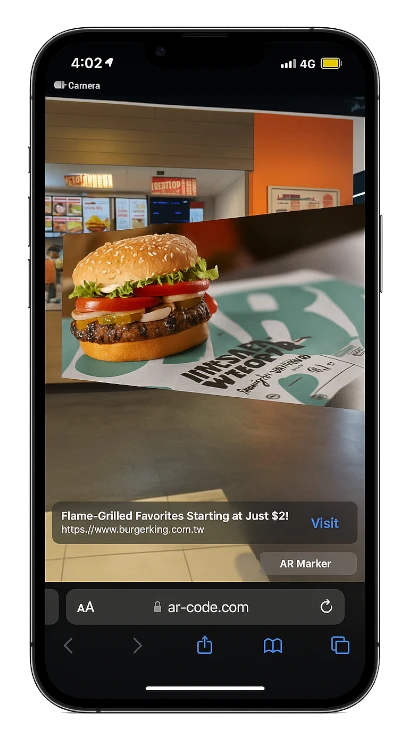
AR Code Object Capture
 AR Splat
 AR GenAI
 AI Code / AI Try-On
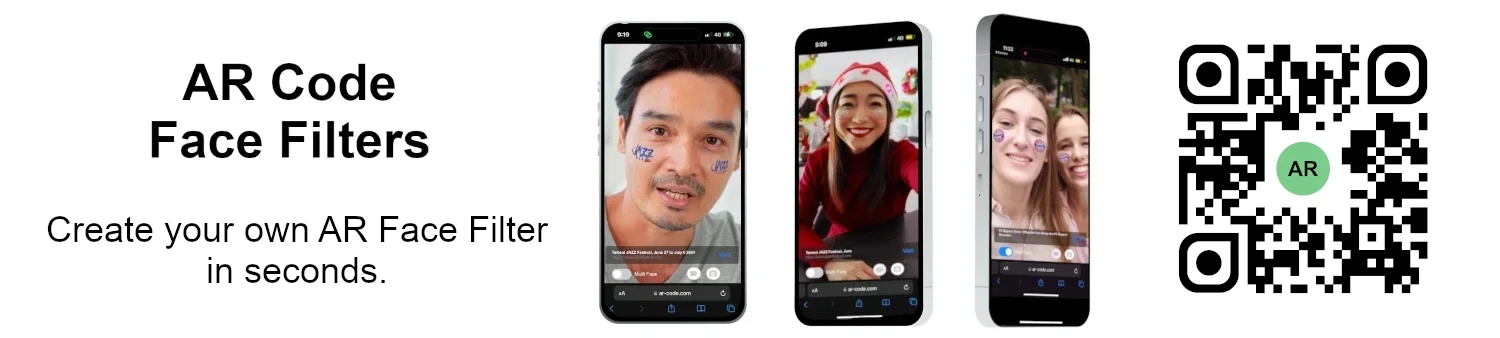
 AR Face Filter
 AR Video
 3D Files Upload
 AR Logo
 AR Photo
 AR Portal
 AR Text
 AR Data API
 Education & Schools
 E-commerce Brands & Online Stores
 Fitness & Sports Clubs
 Manufacturing, Training & Safety
 Marketing Teams & Agencies
 Museums & Exhibitions
 Real Estate & Property Marketing
 Restaurants & Cafés
 Retail Stores & Showrooms
 Smart Cities & Urban Development
 Books, Guides & Magazines
 Business Cards
 Event Posters & Banners
 Event Tickets & Access
 Flyers & Brochures
 Labels & Product Information
 Machinery & Equipment
 Product Packaging
 Websites & Online Stores
AR Advertising for Print Campaigns: What it Means for Brands
WebAR | 10/11/2026 |
New research published on November 5, 2026, examines how audiences respond to augmented reality and virtual reality marketing communications. For brands investing in printed campaigns, it raises a useful creative question: what should people understand about the brand after opening an immersive experience?
A brochure or package has limited space. An AR QR Code can connect that surface to a demonstration, a 3D visual, or a branded presentation. The opportunity is to give the printed message a useful second layer, with a clear purpose for the audience and a measurable objective for the marketing team.
What the New Immersive Advertising Research Adds
The study published in Young Consumers draws on responses from 408 adults across five cities in Nepal. It reports relationships between perceived immersion, engagement, how informative the content seemed, brand attitude, and purchase intention.
The authors describe the effects as statistically small and flag the passive exposure design. These findings do not demonstrate sales gains from an interactive print campaign or establish AR Code performance. The campaign suggestions below are practical editorial recommendations.
Write the Brand Message Before Choosing the Format
Begin the creative brief with one sentence describing what the audience should take away. It might explain how a service works, introduce a design feature, or show the process behind a finished item. Then choose the visual format that communicates that message most clearly.
For an agency, this makes client approval more concrete. Reviewers can judge whether the content supports the agreed message, whether the branding is recognizable, and whether the next action makes sense. The discussion becomes easier than approving an immersive effect without a defined communication goal.
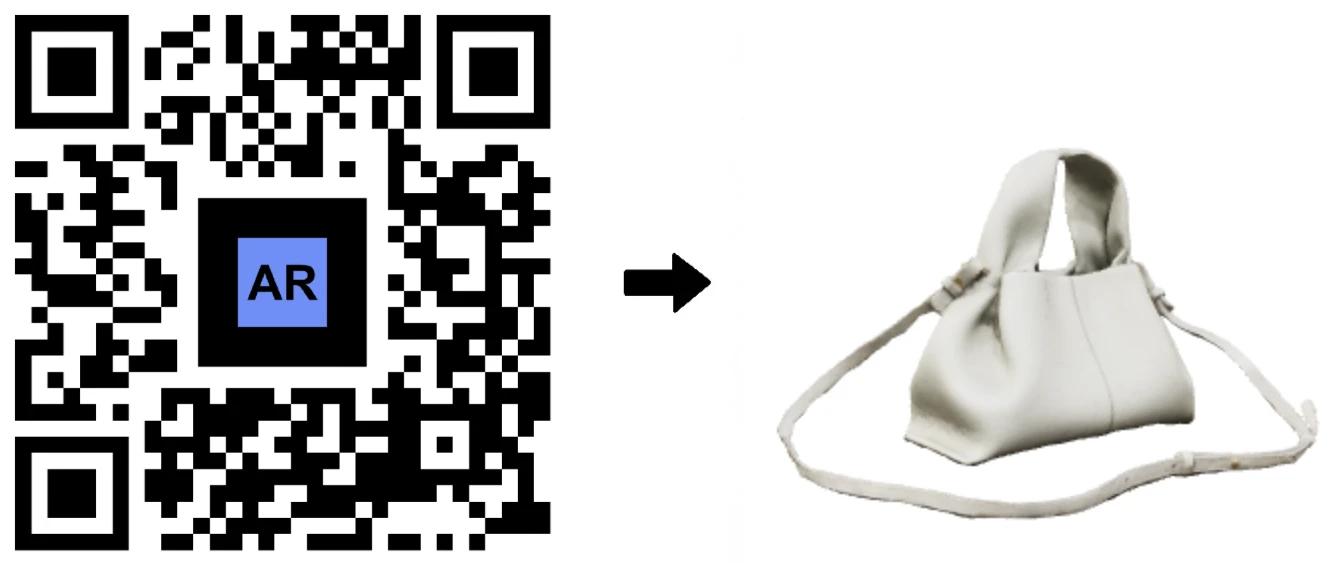
AR Code's marketing and agency applications support QR-launched branded experiences across print, displays, packaging, and events. Teams can manage campaigns and review analytics through a central dashboard. Select the feature after agreeing on the campaign's purpose.
Make Brochures an Invitation to Explore
A printed brochure should explain what the scan opens. Specific wording such as “Explore the model in 3D” gives readers a clearer expectation than a generic invitation to discover more. Keep that instruction close to the code and the relevant section of the brochure.
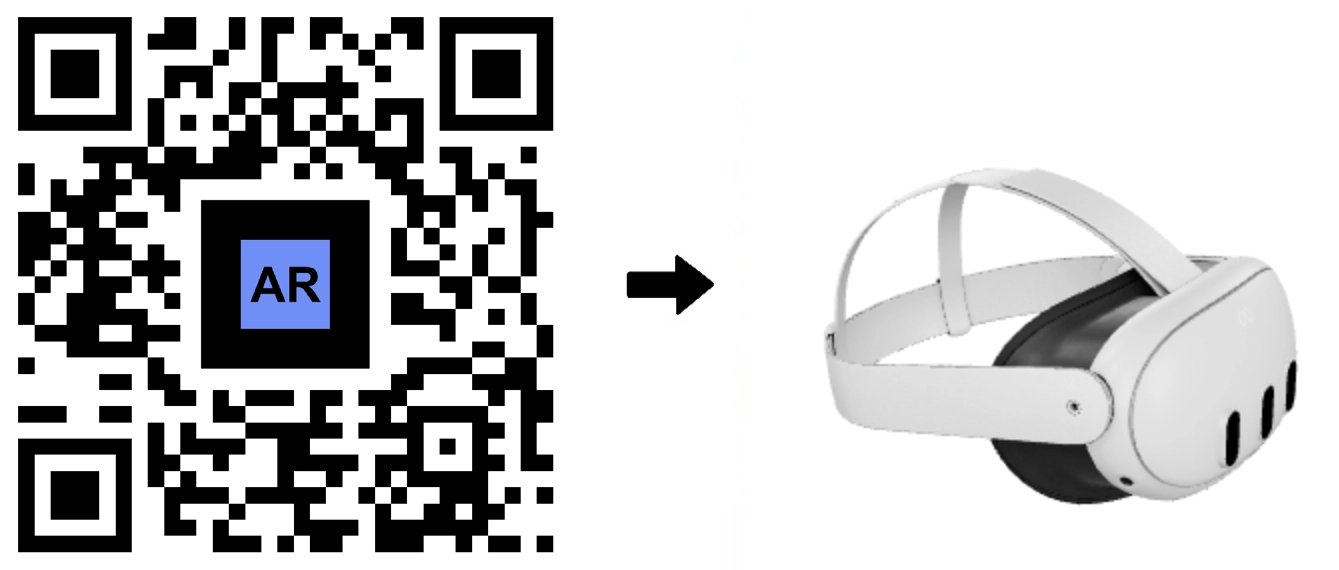
The AR Code solution for flyers and brochures connects printed materials to content including 3D models and AR Video. Supported experiences open on compatible devices without requiring a dedicated viewing app.
Keep the printed page useful on its own. State the main offer or message in readable text, then use the digital experience to add depth. Readers should understand why the extra content is relevant before reaching for their phones.
Use Video to Explain One Brand Promise
When the message depends on movement or a process, a short demonstration may be the clearest choice. A service introduction could show the main stages of delivery. A product campaign could explain one adjustment or assembly step.
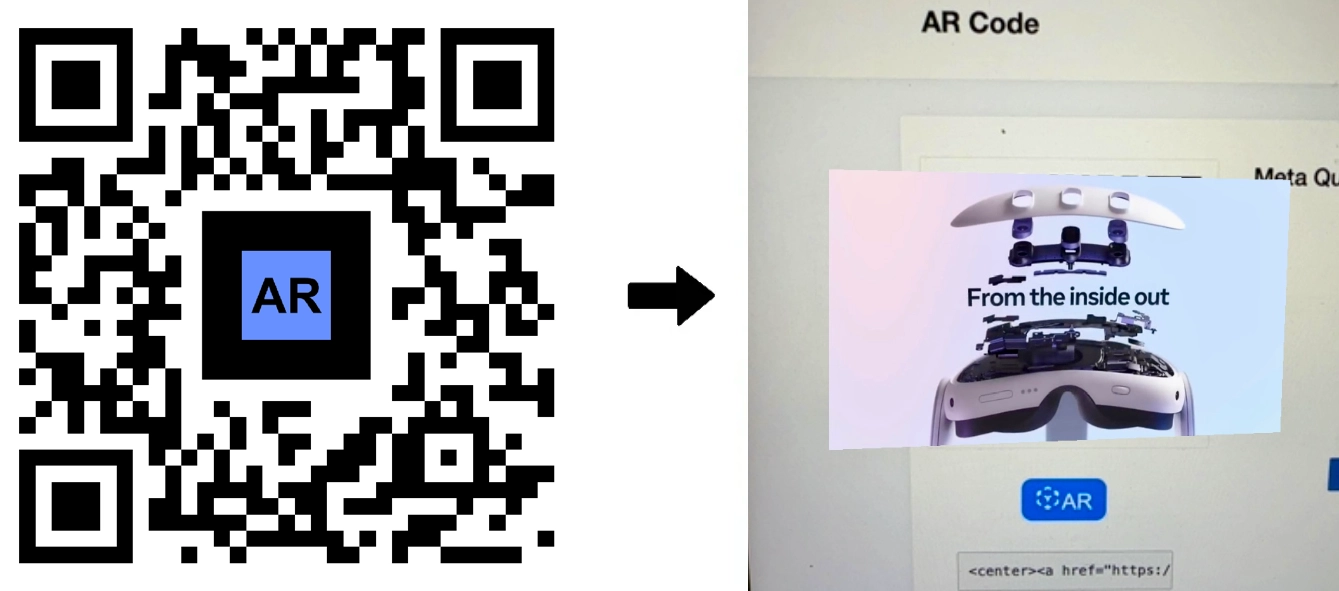
AR Video supports uploading MP4 or MOV files to create QR-accessible video experiences. Prepare footage specifically for the campaign rather than automatically reusing a long promotional film.
Start with the promised subject, keep text readable on a phone, and make the explanation understandable when sound is unavailable. End with a relevant next step. Review the video and printed copy together so the scan delivers exactly what the page promises.
Give Packaging Content a Clear Role
Packaging reaches people in different situations. Before purchase, they may want an introduction. After purchase, instructions or care guidance may be more useful. Choose the intended moment before deciding what the experience should contain.
AR Code's interactive packaging applications support digital demonstrations, instructions, and brand content launched from physical packaging. A practical campaign brief should identify the package version, the intended audience, and the owner responsible for keeping the experience current.
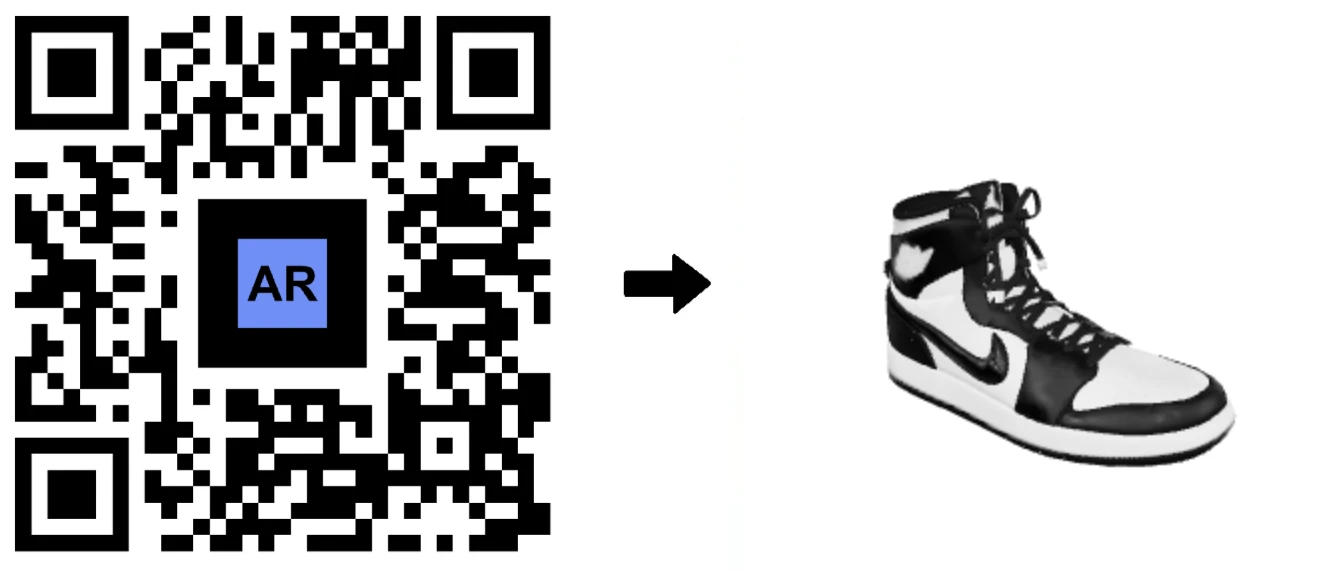
Match the content to the specific item carrying the code. If packaging serves several variants, make the relevant variant clear within the experience. Test the actual printed surface, including folds, curves, and reflections, before approving a production run.
Measure the Message as Well as the Scan
A scan shows that someone opened an experience. It does not, by itself, show what they understood or whether their opinion changed. Define separate questions for access, communication, and subsequent action.

- Access: Could participants find the code and open the content without help?
- Understanding: Could they explain the campaign's main message afterward?
- Brand recognition: Did they correctly identify the organization behind the experience?
- Next action: Did the campaign generate the inquiries or other actions the brief specified?
Use a short audience test to answer the communication questions. Keep those findings separate from platform usage analytics and from sales data. If comparing versions, change one meaningful element at a time and record distribution differences that could influence the results.
Launch One Focused Print Activation
Start with one brochure or package, one clear message, and one suitable AR asset. Review the complete experience on the devices your audience uses, then collect feedback before expanding. Explore AR Code's marketing tools to turn an existing printed campaign into a useful digital interaction with a defined communication goal.
Frequently Asked Questions
What is AR advertising on printed materials?
It connects a physical advertisement, brochure, or package to an augmented reality experience. With AR Code, a QR Code provides access to supported content such as a 3D model or video presentation.
Do audiences need to install an app?
Supported AR Code experiences work without a dedicated viewing app on compatible devices. Test the selected experience with the phones, browsers, and printed materials expected in the campaign.
Should a campaign use a 3D model or a video?
Use a 3D model when examining form or arrangement supports the message. Use video when a sequence, process, or spoken explanation is more helpful. Choose the format around what the audience should understand.
How can brands evaluate an AR print campaign?
Combine usage analytics with a short test of message understanding and separately tracked campaign actions. Set success criteria before launch and avoid treating scan counts as proof of stronger brand attitudes or increased sales.
WebAR - Latest Blog Posts
Mobile-Web 3D Heritage: the Potential of AR Code Gaussian Splatting
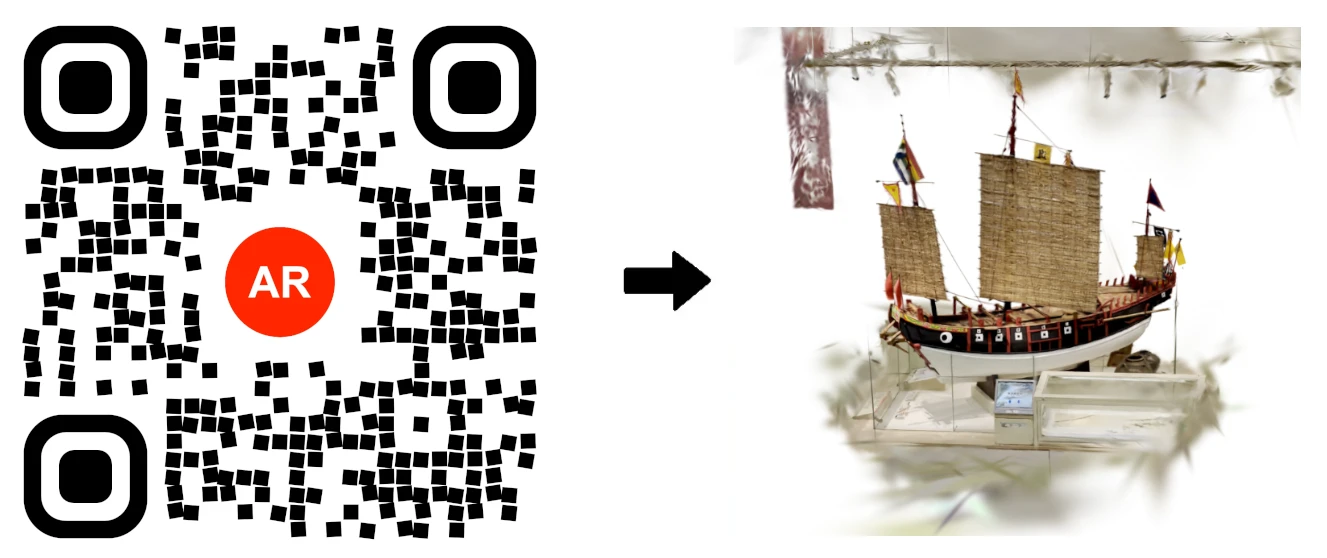
A new study published on November 1, 2026, highlights an important development in digital cultural heritage: detailed 3D reconstructions of historic buildings can be delivered through ordinary mobile browsers using optimized Gaussian splatting technology. Published in npj Heritage Science, the research examined how...
Museum Augmented Reality: What 208 Studies Reveal About Better Visitor Experiences
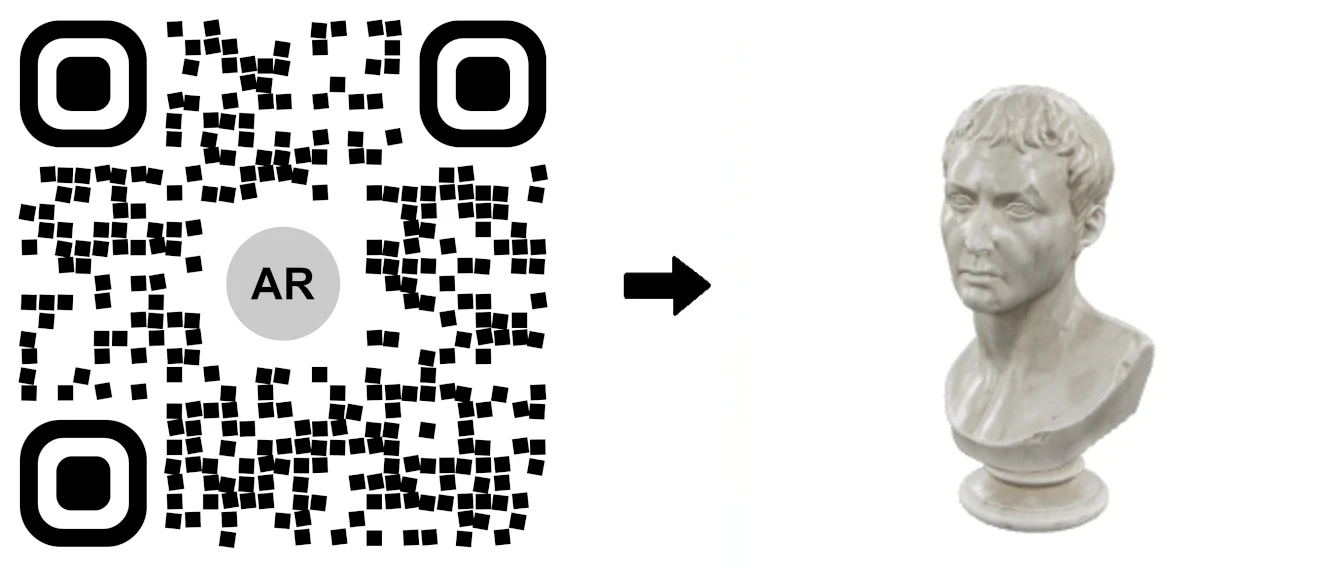
What if a museum visitor could explore a fragile historical object in 3D, discover the story behind a painting, or step inside a reconstructed exhibition space using only a smartphone? Augmented reality (AR) is making these experiences possible by adding digital objects and information to the world around us. And...
World Cup 2026 AR Face Filter Flags: App-Free AR QR Codes for Football Supporters

AR Code gives World Cup 2026 supporters an app-free AR Face Filter experience! By scanning a country-specific AR QR Code, fans can instantly display their national flag on both cheeks in augmented reality, directly from their smartphone browser. They can then capture the moment and share it with friends or on...
8th Wall Is Shutting Down: Timeline, Impact, and the Best 8th Wall Alternative for WebAR
With the 8th Wall shutdown on the horizon, businesses, agencies, and developers that depend on browser-based augmented reality must quickly secure a new partner to deliver WebAR experiences. As 8th Wall sunsets after seven years, finding a strong 8th Wall alternative is key for ongoing AR innovation and campaign...
3DQR vs AR Code: A Comparative Study of QR Code-Based Augmented Reality Solutions
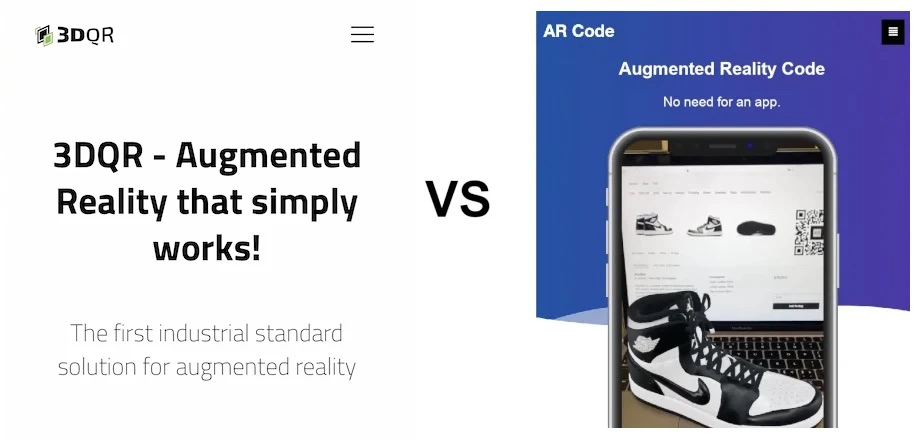
Augmented Reality is transforming how businesses operate and connect with customers. AR Code and 3DQR are leading AR SaaS platforms that empower businesses to deliver interactive digital experiences, foster stronger client relationships, and maximize ROI. This comparison details their key features and strategic...
Blippar VS AR Code: WebAR SaaS Platforms Compared
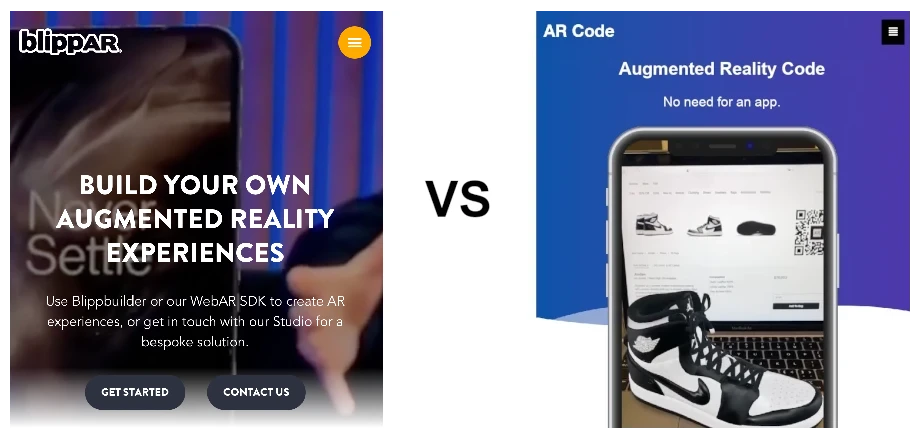
WebAR platforms like AR Code and Blippar are revolutionizing business-customer engagement by delivering interactive augmented reality experiences directly in web browsers. With no app downloads required, brands can amplify marketing, enhance product packaging, retail, and event interactions, and drive higher digital...
8thWall VS AR Code: Comparing WebAR SaaS for Your Business
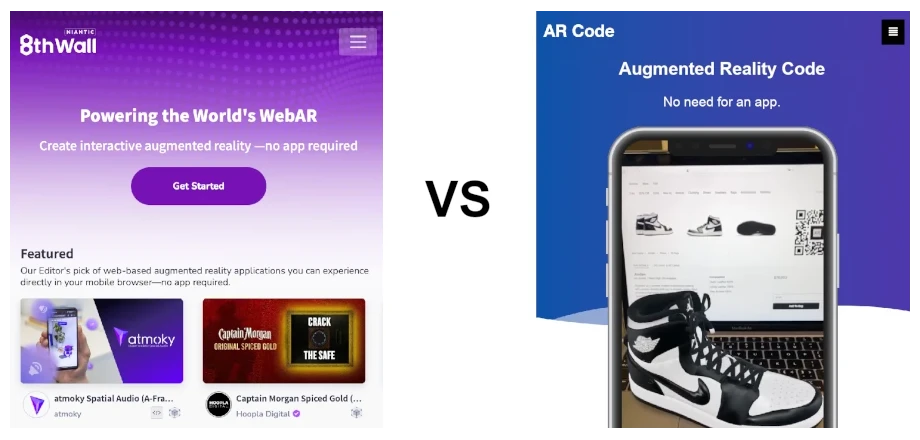
Web-based augmented reality (AR) is revolutionizing business marketing, sales, and product demonstrations by enabling browser-based AR experiences without an app. The AR Code SaaS platform empowers companies to deliver interactive AR directly through QR Codes, driving customer engagement in retail, e-commerce,...
163,420 AR experiences
73,954 Scans per day
149,150 Creators