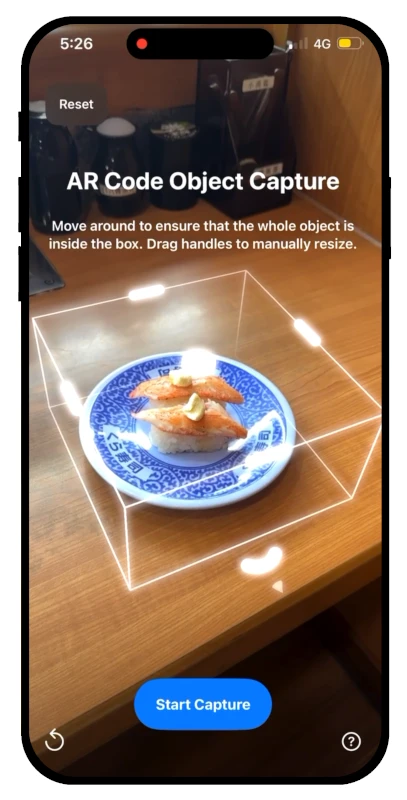
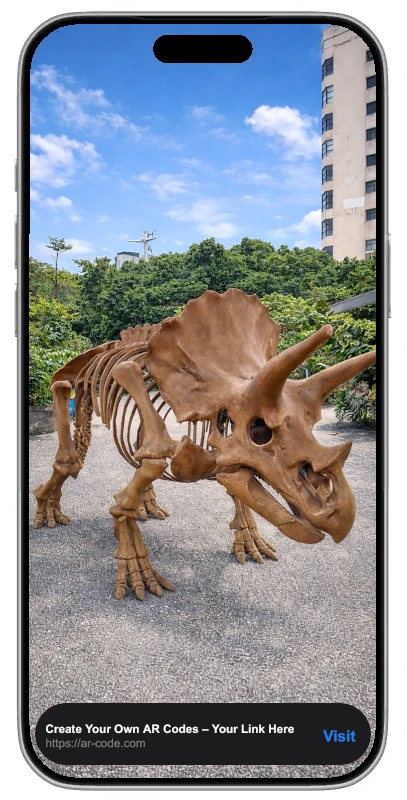
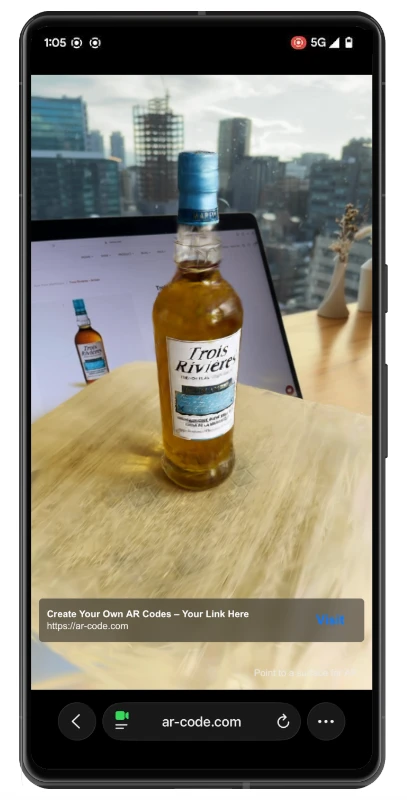
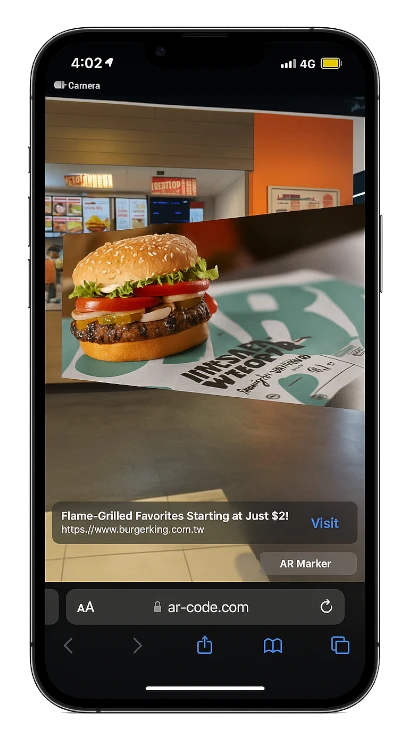
AR Code Object Capture
 AR Splat
 AR GenAI
 AI Code / AI Try-On
 AR Face Filter
 AR Video
 3D Files Upload
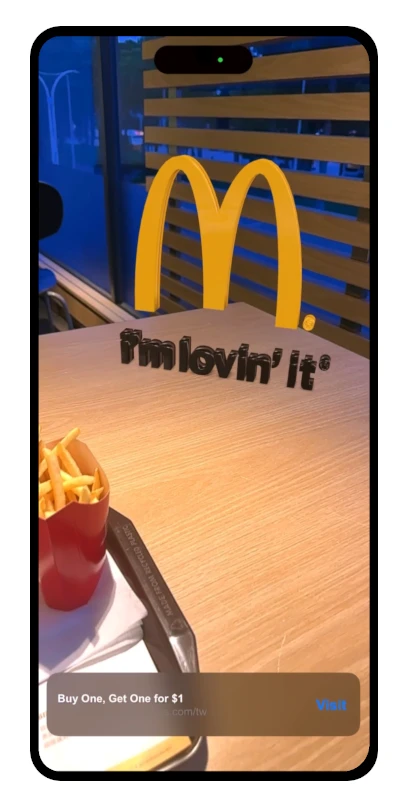
 AR Logo
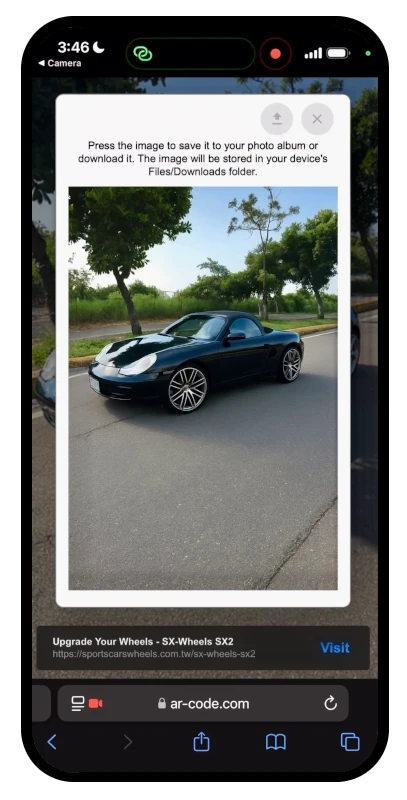
 AR Photo
 AR Portal
 AR Text
 AR Data API
 Education & Schools
 E-commerce Brands & Online Stores
 Fitness & Sports Clubs
 Manufacturing, Training & Safety
 Marketing Teams & Agencies
 Museums & Exhibitions
 Real Estate & Property Marketing
 Restaurants & Cafés
 Retail Stores & Showrooms
 Smart Cities & Urban Development
 Books, Guides & Magazines
 Business Cards
 Event Posters & Banners
 Event Tickets & Access
 Flyers & Brochures
 Labels & Product Information
 Machinery & Equipment
 Product Packaging
 Websites & Online Stores
Augmented Reality for Urban Planning: AR QR Codes for Smart Cities
AR Code Tech | 27/11/2026 |
Augmented reality (AR) is opening new opportunities for urban planning, public communication, and smart city development. Recent research published in October and November 2026 highlights how immersive technologies can make complex urban projects easier to visualize and understand.
For municipalities, architects, engineering firms, and urban development agencies, AR QR Codes offer a practical way to distribute interactive 3D models through smartphones. Traditional planning documents, public information boards, and consultation materials can become access points for augmented reality experiences without requiring residents to install a dedicated application.
New Research Highlights the Potential of Immersive Urban Planning
In October 2026, the MIT Media Lab's City Science research group documented early tests of an augmented reality prototype designed to visualize urban development scenarios through mobile web browsers.
The research explores how proposed buildings, simulated pedestrian movements, and neighborhood activity can be visualized alongside a physical city model. The prototype remains under development, but it illustrates the potential of mobile augmented reality as an urban communication tool.
On November 2, 2026, another study published in Urban Planning examined the use of virtual reality to evaluate pedestrian-friendly urban environments. Researchers incorporated residents' observations about lighting, greenery, and pedestrian crossings into an immersive digital environment that urban planning professionals could explore.
Although augmented reality and virtual reality work differently, both developments highlight the value of spatial visualization when communicating urban design decisions to different audiences.
Why Augmented Reality Is Useful for Smart Cities
Urban development projects are frequently presented through technical drawings, architectural renderings, maps, and extensive planning documents. These materials are essential for professionals but can be difficult for the general public to interpret.
Augmented reality complements traditional planning materials by allowing people to explore digital 3D representations within their physical environment. Users can examine architectural concepts from different perspectives, helping them better understand the shape and layout of proposed developments.

Mobile AR experiences can be distributed through printed QR Codes and digital links, making them particularly suitable for public information campaigns, urban planning exhibitions, and community consultation events.
Six Applications of AR QR Codes in Urban Development
- Architectural visualization: Present interactive 3D models of proposed buildings, public facilities, and development projects.
- Public consultation: Add AR QR Codes to planning documents and exhibition boards so residents can explore proposed designs on their smartphones.
- Public space improvements: Showcase concepts for parks, playgrounds, pedestrian areas, and urban furniture.
- Transportation projects: Present 3D concepts of redesigned stations, bus shelters, pedestrian bridges, and cycling infrastructure.
- Urban development communication: Share explanatory videos and architectural presentations through construction-site signage and municipal information materials.
- Environmental initiatives: Visualize proposed green spaces, planting schemes, and sustainable infrastructure concepts.
These applications can help public-sector organizations and urban development agencies make project information more accessible. They also provide additional opportunities to distribute architectural content beyond scheduled public meetings.
Make Urban Planning Models Accessible with AR Code
AR Code provides dedicated augmented reality solutions for smart cities and urban development. Municipalities and urban planning teams can publish interactive digital content and connect it to physical communication materials through AR QR Codes.
Architects and designers can prepare mobile-optimized versions of existing 3D models and upload them to the AR Code platform. Each experience can then be distributed through a dedicated AR QR Code or digital link.
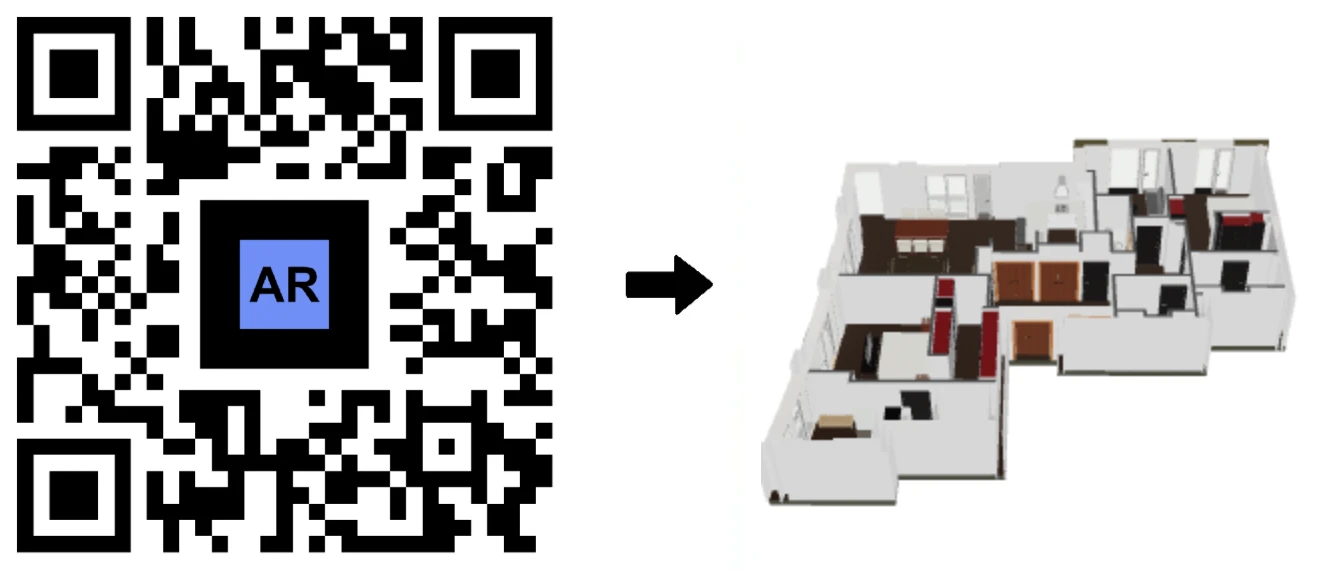
This approach is also useful for presenting the interior layouts of proposed public buildings, community centers, and other facilities.
Residents can explore published 3D content on compatible mobile devices without needing specialized architectural software. The same experience can be shared through municipal websites, printed consultation documents, and public exhibition displays.
Digitize Physical Architectural Models with 3D Scanning
Physical architectural models remain valuable tools for communicating urban development projects. However, distributing these models to a wider audience can be challenging because they are normally available in only one location.
The AR Code Object Capture 3D scanning solution allows professionals to convert suitable physical scale models into digital 3D representations using photographs or video footage.
Once digitized, an architectural model can be distributed through AR QR Codes, allowing residents, project partners, and other stakeholders to examine its digital representation remotely.
Captured scale models should be checked against approved architectural information before publication. For projects requiring precise dimensions or engineering accuracy, professionally prepared 3D files remain the preferred source.
Share Urban Project Updates with Augmented Reality Video
Not every urban development project requires an interactive 3D model. Video can be a more suitable format for explaining construction phases, introducing project objectives, or presenting proposed infrastructure improvements.
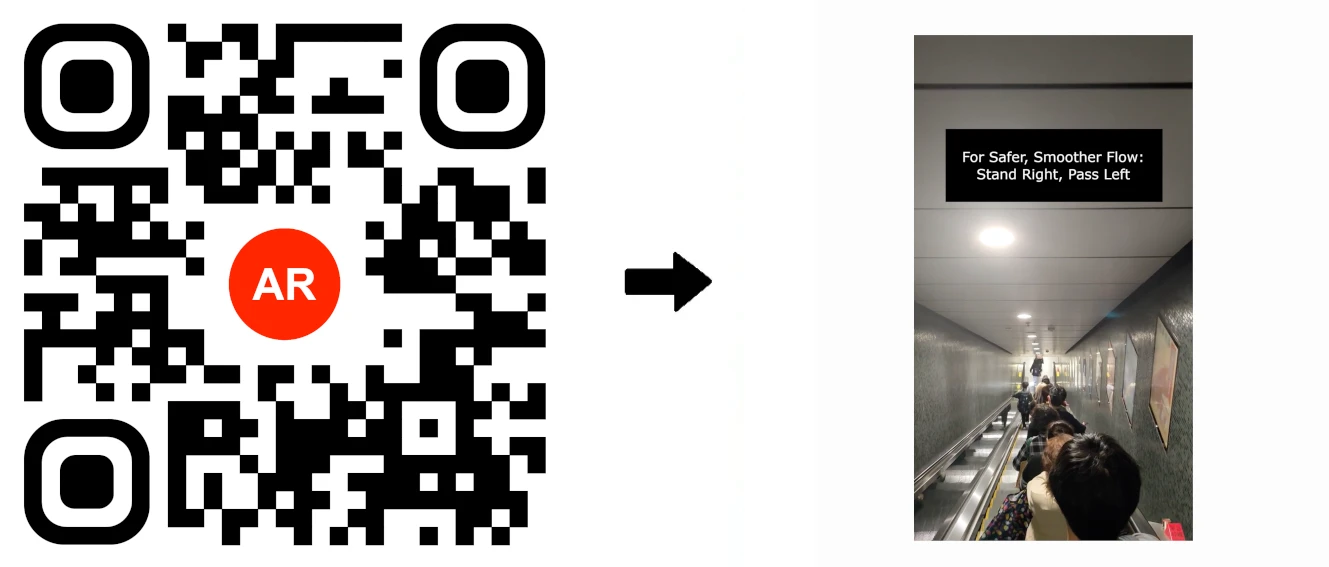
With the AR Video solution, urban development teams can connect recorded presentations to AR QR Codes displayed on public signage, construction barriers, brochures, and consultation materials.
A short video could explain the objectives of a street redesign, introduce a new public park, or provide an overview of planned transportation improvements. Existing AR Code content can also be updated as a project progresses, without necessarily replacing the printed QR Code.
Improve Public Engagement with Accessible AR Experiences
One of the main advantages of browser-based augmented reality is its ease of distribution. Residents can access supported experiences using compatible smartphones instead of relying on dedicated applications or specialized immersive equipment.
Urban development agencies can begin with a focused augmented reality pilot:
- Select one proposed development or public space improvement.
- Prepare an accurate and mobile-friendly 3D model.
- Generate an AR QR Code for the visualization.
- Distribute the code through public consultation materials.
- Evaluate scan activity and collect feedback through existing consultation channels.
AR QR Codes provide flexible access to digital models rather than automatically positioning proposed buildings at precise geographical coordinates. For this reason, standard AR Code experiences should be used as communication and visualization tools, not as replacements for professional surveying or geospatial planning systems.
Traditional maps, accessible written information, and non-digital participation options should remain available to ensure that public consultation includes residents who cannot access mobile AR experiences.
The Future of Augmented Reality in Smart Cities
Recent urban planning research demonstrates growing interest in immersive visualization as a way to communicate complex spatial information. As cities continue to develop their digital communication strategies, accessible 3D experiences can provide a useful complement to conventional planning materials.
AR Code enables urban development professionals to explore this opportunity through interactive 3D models, augmented reality videos, and mobile-accessible AR QR Codes. Starting with a single well-defined project allows organizations to evaluate public interest and refine their approach before expanding to additional urban development initiatives.
Frequently Asked Questions
How is augmented reality used in urban planning?
Augmented reality allows urban planners to present interactive 3D models of proposed buildings, public spaces, transportation infrastructure, and development projects. It complements traditional planning documents by providing additional ways to visualize spatial information.
How can smart cities use AR QR Codes?
Smart cities can integrate AR QR Codes into public signage, municipal brochures, construction-site information boards, and consultation materials. Residents can scan these codes to access interactive 3D models, explanatory videos, and other published augmented reality content.
Can architects convert physical scale models into augmented reality?
Yes. AR Code Object Capture enables architects and urban planners to digitize suitable physical scale models through 3D scanning and distribute the resulting models using AR QR Codes. Existing digital architectural models can also be prepared and uploaded to the AR Code platform.
Do residents need an application to view AR urban development projects?
No dedicated AR Code application is required. Residents can access supported augmented reality experiences by scanning an AR QR Code or opening a direct link on a compatible smartphone or tablet.
AR Code Tech - Latest Blog Posts
AR Storybooks for Children: Educative 3D Content and QR Codes
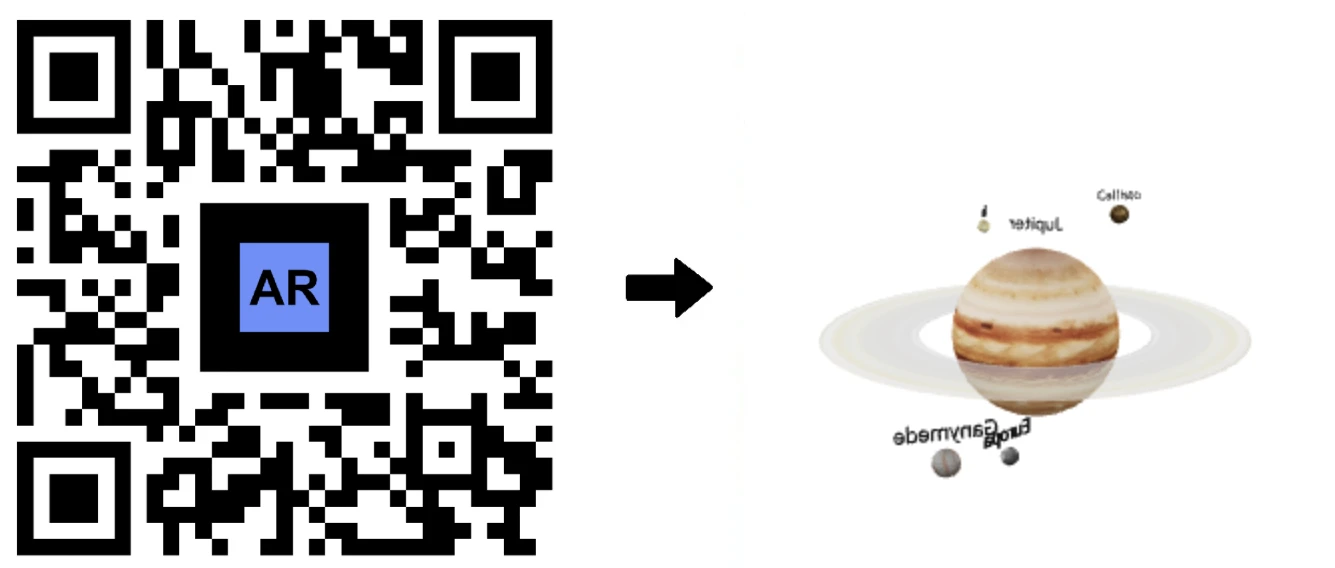
Augmented reality in children's books is receiving fresh attention from reading researchers. A study published in the September 2026 issue of the International Journal of Child-Computer Interaction suggests that carefully chosen AR content can give young readers useful context when a printed story has relatively few...
Augmented Reality Fitness Training: AR QR Codes for Gyms

Augmented reality fitness training is gaining attention as gyms, sports clubs, and instructors look for more accessible ways to explain exercises and support their members. New research published on November 14, 2026, provides fresh insights into how exercise guidance can be designed around users' needs. The study,...
Augmented Reality Training in Manufacturing: New 2026 Research and Practical Factory Use Cases
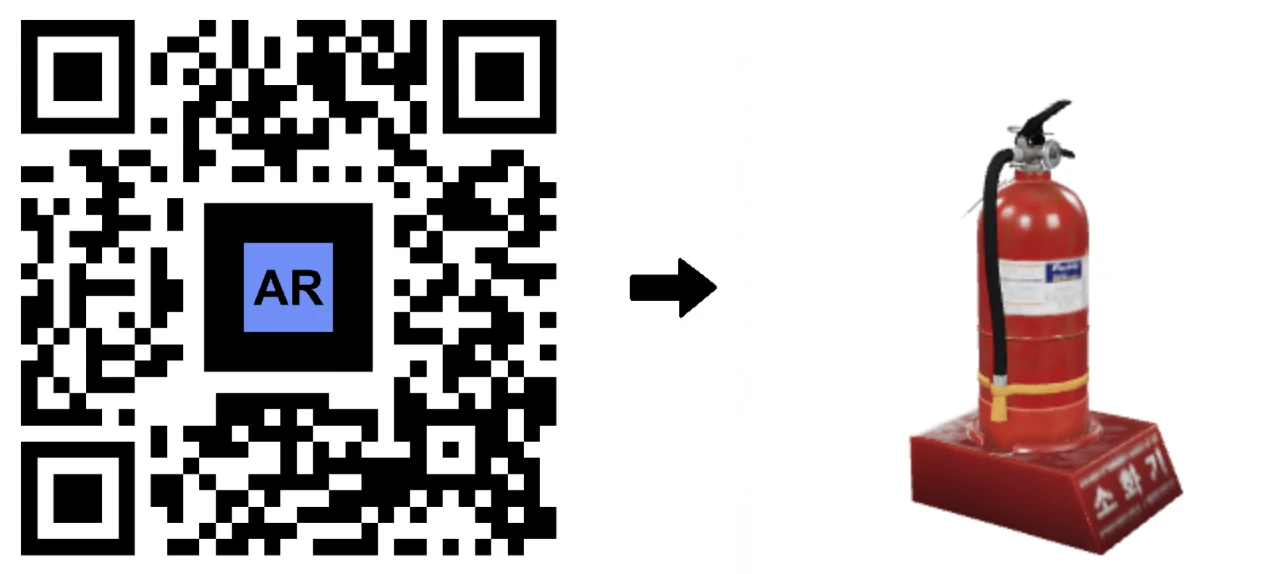
Technicians can access equipment instructions directly by scanning a QR code on the machine. Instead of searching for printed manuals or relying on experienced operators, they can instantly view interactive 3D models and short visual guides that provide clear, step-by-step instructions for each task. On October 27,...
AR Code and NFCOP: The Future of NFC, QR Codes, AR & AI
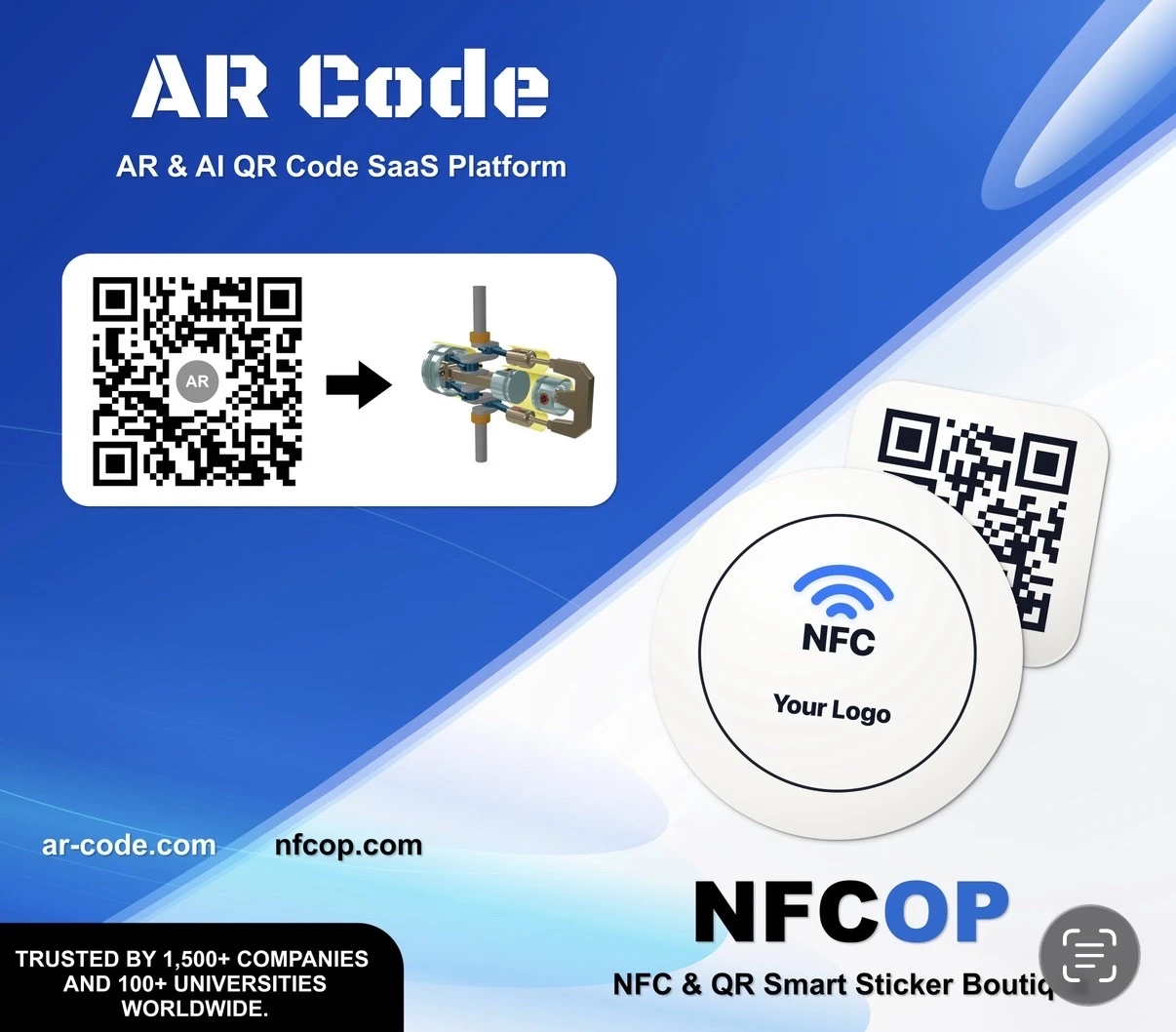
The physical world is becoming a gateway to digital experiences. Augmented Reality (AR), Artificial Intelligence (AI), Near Field Communication (NFC), and QR Code technology now make it possible to connect products, printed materials, and physical locations to interactive content that people can access directly from...
Best 3D Scanning Solutions for Augmented Reality: AR Code Object Capture, AR GenAI, AR Splat & AI Code

Creating an effective augmented reality experience starts with choosing the right way to digitize an object or generate interactive content. Depending on the object you want to capture, its materials, the level of realism required, and the type of experience you want visitors to have, AR Code provides several...
Instantly Download .MP4 Demo Videos of Your AR 3D Models

In today's digital-first business environment, presenting 3D content efficiently is critical for standing out. AR Code delivers a powerful capability that enables users to download demo videos of their 3D models directly from the platform, significantly streamlining content creation for marketing, client...
AR GenAI: Turn a Single Photo into an AR-Ready 3D Model

Drive business growth with AR GenAI image to 3D technology on the AR Code SaaS platform. AR Code enables you to convert product photos into interactive, immersive 3D models, instantly accessible in Augmented Reality. No specialized apps or 3D modeling experience is necessary—simply upload an image and share...
AR Splat: A New 3D Scanning-to-Augmented Reality Solution Based on Gaussian Splatting

AR Splat by AR Code enables businesses to seamlessly create and deploy immersive 3D web augmented reality experiences. Upload a simple walk-around video and generate photorealistic 3D scenes with advanced Gaussian Splatting technology. Share your AR content instantly using AR QR Codes, providing fast,...
AI Code’s Image Generation Redefines Product Visualization Through a QR Code Scan

AR Code is revolutionizing Augmented Reality and Artificial Intelligence for businesses by enabling instant AI-powered product visualizations through a single QR code scan. Boost customer engagement and increase interaction by leveraging AI Code, ar genai, and other robust AR Code SaaS solutions for immersive...
AR Code Object Capture Now Works on All iPhones and iPads No LiDAR Required
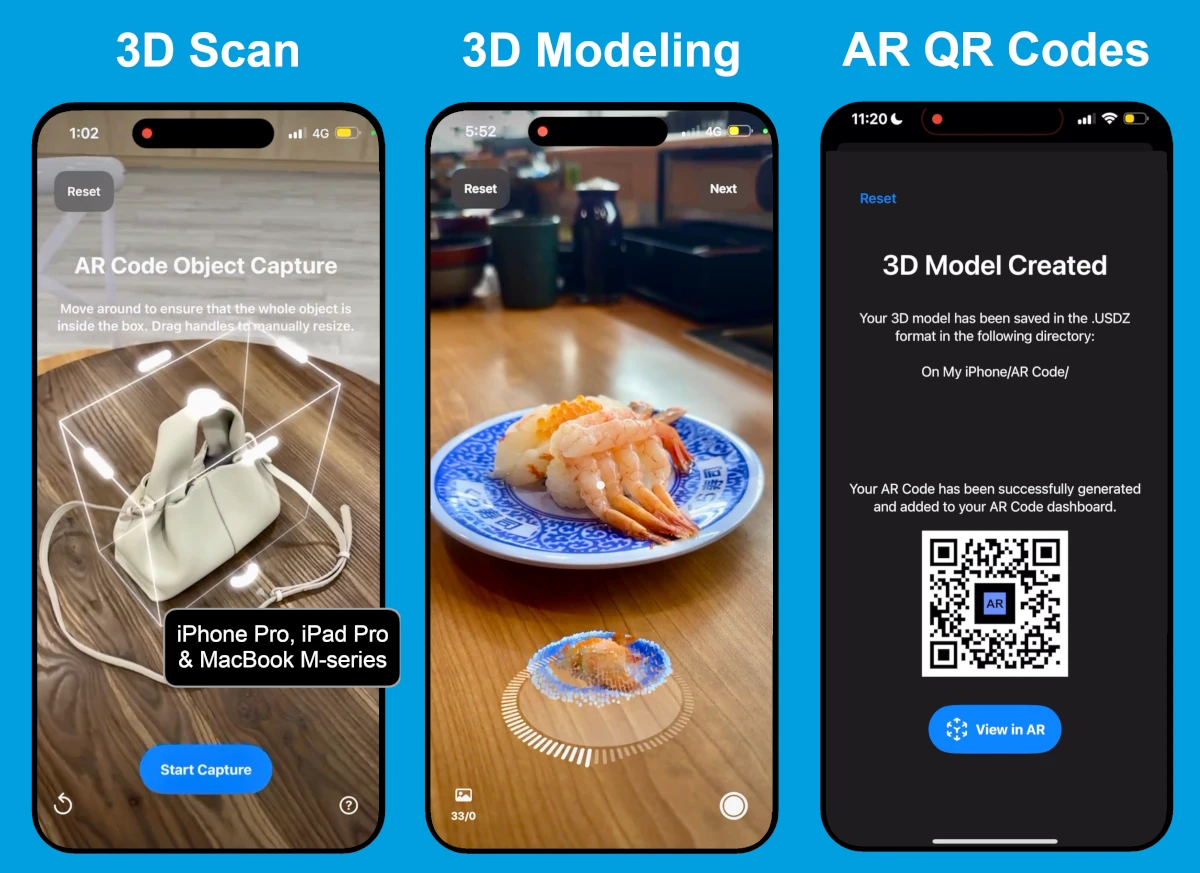
Accelerate business transformation with advanced augmented reality using the ar code object capture solution. Effortlessly capture, create, and share 3D models and AR QR Codes on any iPhone or iPad. Eliminate dependence on LiDAR and streamline your workflows with engaging AR marketing, lifelike product demonstrations,...
164,606 AR experiences
75,534 Scans per day
149,902 Creators