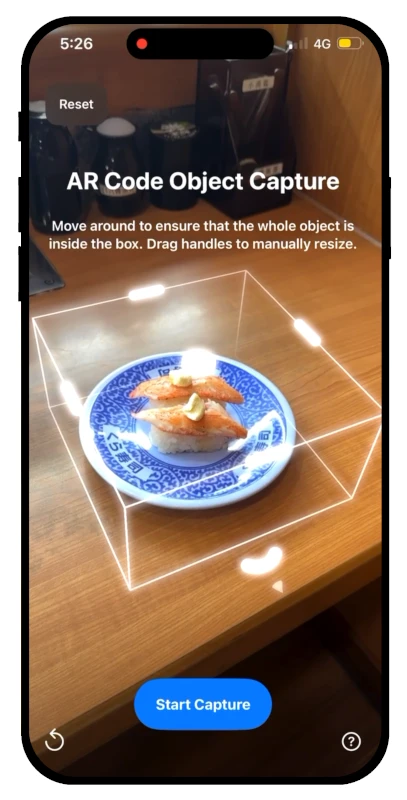
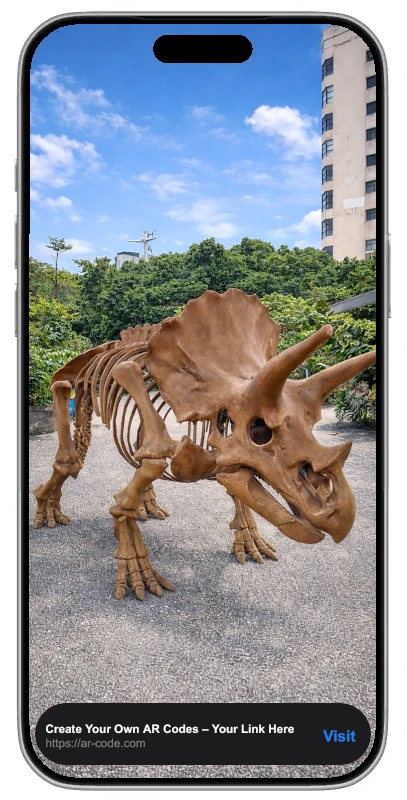
AR Code Object Capture
 AR Splat
 AR GenAI
 AI Code / AI Try-On
 AR Face Filter
 AR Video
 3D Files Upload
 AR Logo
 AR Photo
 AR Portal
 AR Text
 AR Data API
 Education & Schools
 E-commerce Brands & Online Stores
 Fitness & Sports Clubs
 Manufacturing, Training & Safety
 Marketing Teams & Agencies
 Museums & Exhibitions
 Real Estate & Property Marketing
 Restaurants & Cafés
 Retail Stores & Showrooms
 Smart Cities & Urban Development
 Books, Guides & Magazines
 Business Cards
 Event Posters & Banners
 Event Tickets & Access
 Flyers & Brochures
 Labels & Product Information
 Machinery & Equipment
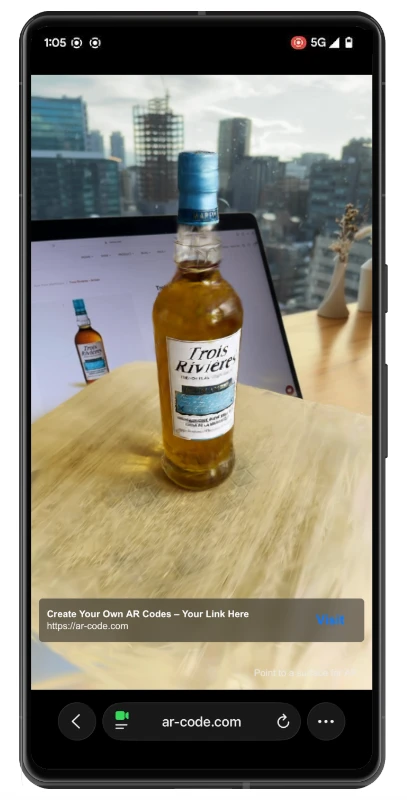
 Product Packaging
 Websites & Online Stores
AR Product Packaging, Consumer Engagement and Purchase Intent
WebAR | 17/11/2026 |
Product packaging is becoming an increasingly important part of digital marketing. Beyond displaying a logo, ingredients, or product specifications, packaging can connect customers to interactive experiences that help them understand a product, explore its benefits, and engage with a brand.
New research made available in October 2026 examines how interactive augmented packaging affects consumer trust, engagement, and purchase intention. Published in the Journal of Retailing and Consumer Services, the study provides insights for brands exploring augmented reality (AR), QR Codes, and personalized digital experiences.

For packaging designers, retailers, and marketing teams, the central opportunity is practical: make product packaging more informative, useful, and engaging without requiring customers to install a dedicated application.
What the New 2026 Research Reveals About Interactive Product Packaging
The 2026 cross-cultural study on interactive augmented packaging, conducted by Chen Su, Xuejiao Wang, and Mei-ling Soong, examined how digitally enhanced packaging influences consumer behavior.
The researchers conducted three experiments involving 2,400 participants, with 800 participants from each of three regions: Asia, Europe, and North America. They compared conventional packaging with digitally connected formats emphasizing information transparency, game-like interactions, and AI personalization.
The study identified several important findings:
- Consumer trust matters: Interactive packaging was associated with greater perceived value and trust, which helped explain stronger engagement and purchase intention.
- Personalization can improve appeal: AI-personalized packaging produced the strongest increases in purchase intention among the formats tested.
- Consumer preferences vary: The research identified differences across cultural groups in their responses to transparency and game-like features.
- Useful content is essential: The findings support the value of packaging that delivers meaningful information or experiences rather than simply linking to a static destination.
These results concern experimentally measured consumer responses, not confirmed sales increases in physical stores. Nevertheless, they provide useful guidance for brands planning interactive packaging campaigns.
Why Augmented Reality Packaging Matters for Brands
Traditional packaging has limited space. A product label must communicate essential information while remaining visually appealing and easy to read. Adding more printed content can make the design crowded and difficult to navigate.
Augmented reality creates an additional digital layer. By scanning an AR QR Code, customers can access visual content linked to the product, including 3D models, demonstrations, instructions, and brand information.
For example, a food brand could provide a short preparation video, while a cosmetics company could share a product demonstration or usage guide. These experiences can answer practical customer questions at the moment they become relevant.

The opportunity is not limited to attracting attention in stores. A useful digital experience can remain accessible after purchase, helping customers understand how to use, maintain, or dispose of a product.
From Connected Packaging to Interactive AR Experiences
The new research distinguishes between ordinary connected packaging and more advanced interactive augmented packaging.
Connected packaging typically uses technologies such as QR Codes to direct consumers to digital information. More advanced interactive packaging can respond to user preferences, provide personalized content, or encourage participation through additional features.
This distinction matters because adding a QR Code alone does not guarantee a valuable customer experience. Brands need to consider what happens after the scan.
A useful packaging experience should answer a specific question, explain a product benefit, simplify an activity, or provide relevant assistance. The digital content should complement the information printed on the package rather than repeat it unnecessarily.
Practical AR Packaging Applications for Different Industries
The research provides a useful starting point for identifying packaging experiences that customers may value. Several applications can be implemented using existing AR QR Code technology.

- Food and beverages: Provide preparation videos, serving suggestions, product demonstrations, and information about ingredients or sourcing.
- Beauty and personal care: Share usage instructions, application demonstrations, and answers to common product questions.
- Consumer electronics: Present 3D product models, setup tutorials, maintenance instructions, and troubleshooting resources.
- Household products: Explain assembly procedures, safe handling, maintenance, and recycling information through visual guides.
- Premium and specialty goods: Communicate craftsmanship, product origins, or verified brand information through interactive presentations.
These are potential business applications rather than individual outcomes measured by the 2026 study. The best approach depends on the product, customer expectations, and the information consumers need.
How AR Code Supports Interactive Product Packaging
The AR Code product packaging solution enables businesses to connect boxes, bottles, bags, cartons, and other packaging formats to augmented reality experiences through scannable AR QR Codes.
Customers can access supported content from compatible smartphones without downloading a dedicated AR application. This makes the approach suitable for packaging distributed through retail stores, events, deliveries, and direct-to-consumer channels.
AR Code provides tools for different communication needs. Brands can use AR Video to publish product demonstrations, preparation instructions, or branded video content. The AI Code solution supports contextual assistance, image analysis, and tailored responses based on configured prompts and user interactions.
For detailed product communication, AR QR Codes for product labels can provide access to technical information, digital manuals, and support materials.
These features offer practical ways to make packaging more useful. However, they should not be considered identical to the experimental AI-personalized or gamified packaging systems evaluated in the research.
How to Launch an AR Product Packaging Campaign
Brands do not need to redesign their entire packaging strategy to begin testing augmented reality. A focused pilot can help identify which experiences are useful before expanding across multiple products.
- 1. Identify a customer need: Select a question or problem that additional visual information could help solve.
- 2. Choose the appropriate content: Prepare a 3D product model, short instructional video, brand presentation, or interactive assistance experience.
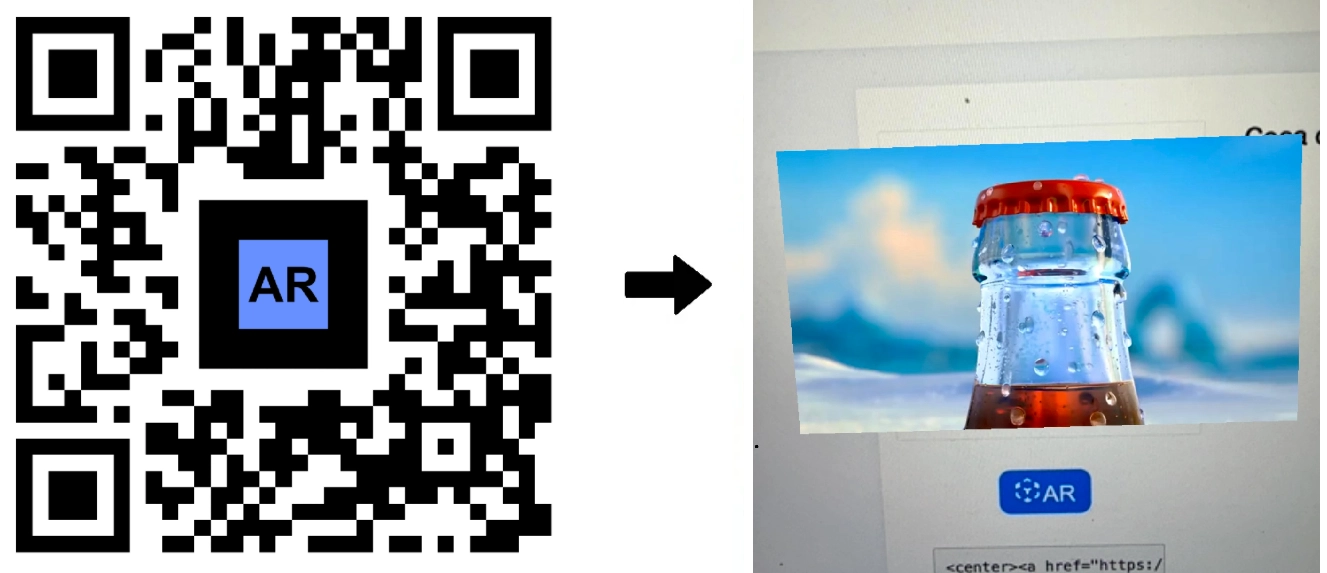
- 3. Generate the AR QR Code: Connect the digital experience to a scannable code using the AR Code platform.
- 4. Integrate it into the packaging: Place the code where it is easy to find and scan. Add a concise explanation of what customers will receive.
- 5. Test the experience: Verify scanning reliability, content accuracy, loading performance, and usability on representative devices.
- 6. Evaluate the results: Monitor engagement, collect customer feedback, and refine the experience before extending it to more products.
The objective should be to deliver a relevant interaction with minimal effort from the customer. Clear instructions and useful content are more important than unnecessary technical complexity.
Measuring Engagement and Building Consumer Trust
The 2026 research highlights the relationship between perceived value, trust, engagement, and purchase intention. For businesses, this suggests that measuring an AR packaging campaign requires more than counting scans.
AR Code provides scan analytics and tools for managing published experiences. These can help brands understand how frequently customers access their digital packaging content and compare activity across campaigns.
However, scan counts alone cannot establish whether customers trust a product more or intend to purchase it. Brands should consider combining usage analytics with customer surveys, feedback, and appropriate conversion measurements.
Transparent product information is also important. Brands should ensure that ingredient details, environmental statements, technical instructions, and AI-generated responses are accurate and appropriately reviewed. Where personal information is collected, clear privacy explanations and applicable consent requirements should be respected.
What the 2026 Findings Mean for the Future of AR Packaging
The October 2026 research adds evidence that digitally interactive packaging can influence how consumers evaluate products and brands. Its findings also suggest that the type of digital experience matters, with different audiences responding differently to transparency, personalization, and engagement features.

For businesses, the next step is practical rather than experimental: select a useful packaging application, make the experience easy to access, and evaluate whether it helps customers make more informed decisions.
AR Code provides an existing way to create and manage app-free augmented reality experiences connected to product packaging. Brands interested in exploring the approach can begin with one product, one clearly defined customer benefit, and a measurable pilot campaign.
Frequently Asked Questions
What is augmented reality product packaging?
Augmented reality product packaging connects physical packaging to digital experiences such as 3D models, video demonstrations, and interactive information. Customers can access these experiences through technologies such as AR QR Codes using compatible smartphones.
What does the new 2026 research reveal about interactive packaging?
A cross-cultural study involving 2,400 participants found that interactive augmented packaging was associated with stronger perceived value, trust, engagement, and purchase intention. AI-personalized packaging performed particularly well in the experimental comparisons, although the research did not establish actual retail sales increases.
Can businesses add augmented reality to packaging without developing an app?
Yes. AR Code allows businesses to publish supported 3D content, videos, and interactive experiences through AR QR Codes. Customers can scan the codes using compatible smartphones without installing a separate AR application.
How can brands measure the effectiveness of AR packaging campaigns?
Brands can monitor scan activity using AR Code analytics and combine that information with customer feedback, surveys, and conversion measurements. These indicators help evaluate whether the experience provides useful information and contributes to business objectives. Scan totals alone do not prove increased purchases.
WebAR - Latest Blog Posts
Augmented Reality in STEM Education: What It Means for Teachers
Augmented reality in STEM education is gaining attention for a practical reason: it helps students explore complex subjects through interactive 3D content instead of relying entirely on textbooks and static diagrams. However, making AR available in a classroom is only part of the challenge. Teachers also need...
AR Advertising for Print Campaigns: What it Means for Brands

New research published on November 5, 2026, examines how audiences respond to augmented reality and virtual reality marketing communications. For brands investing in printed campaigns, it raises a useful creative question: what should people understand about the brand after opening an immersive experience? A...
Mobile-Web 3D Heritage: the Potential of AR Code Gaussian Splatting
A new study published on November 1, 2026, highlights an important development in digital cultural heritage: detailed 3D reconstructions of historic buildings can be delivered through ordinary mobile browsers using optimized Gaussian splatting technology. Published in npj Heritage Science, the research examined how...
Museum Augmented Reality: What 208 Studies Reveal About Better Visitor Experiences
What if a museum visitor could explore a fragile historical object in 3D, discover the story behind a painting, or step inside a reconstructed exhibition space using only a smartphone? Augmented reality (AR) is making these experiences possible by adding digital objects and information to the world around us. And...
World Cup 2026 AR Face Filter Flags: App-Free AR QR Codes for Football Supporters

AR Code gives World Cup 2026 supporters an app-free AR Face Filter experience! By scanning a country-specific AR QR Code, fans can instantly display their national flag on both cheeks in augmented reality, directly from their smartphone browser. They can then capture the moment and share it with friends or on...
8th Wall Is Shutting Down: Timeline, Impact, and the Best 8th Wall Alternative for WebAR

With the 8th Wall shutdown on the horizon, businesses, agencies, and developers that depend on browser-based augmented reality must quickly secure a new partner to deliver WebAR experiences. As 8th Wall sunsets after seven years, finding a strong 8th Wall alternative is key for ongoing AR innovation and campaign...
3DQR vs AR Code: A Comparative Study of QR Code-Based Augmented Reality Solutions
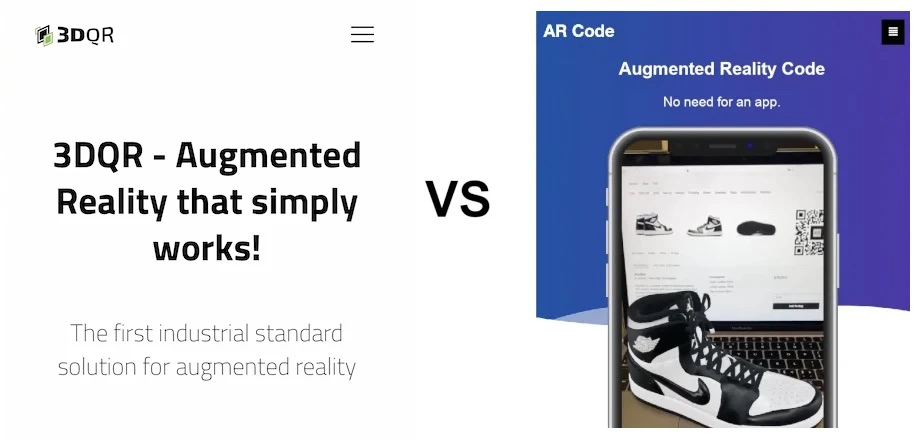
Augmented Reality is transforming how businesses operate and connect with customers. AR Code and 3DQR are leading AR SaaS platforms that empower businesses to deliver interactive digital experiences, foster stronger client relationships, and maximize ROI. This comparison details their key features and strategic...
Blippar VS AR Code: WebAR SaaS Platforms Compared
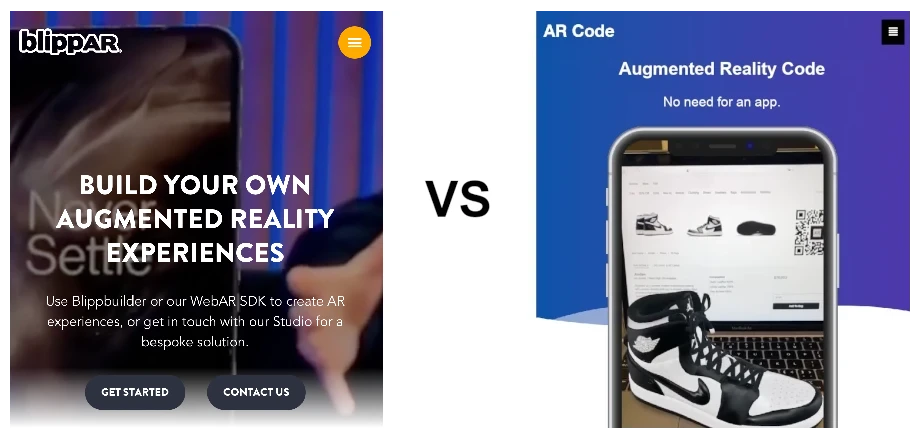
WebAR platforms like AR Code and Blippar are revolutionizing business-customer engagement by delivering interactive augmented reality experiences directly in web browsers. With no app downloads required, brands can amplify marketing, enhance product packaging, retail, and event interactions, and drive higher digital...
8thWall VS AR Code: Comparing WebAR SaaS for Your Business
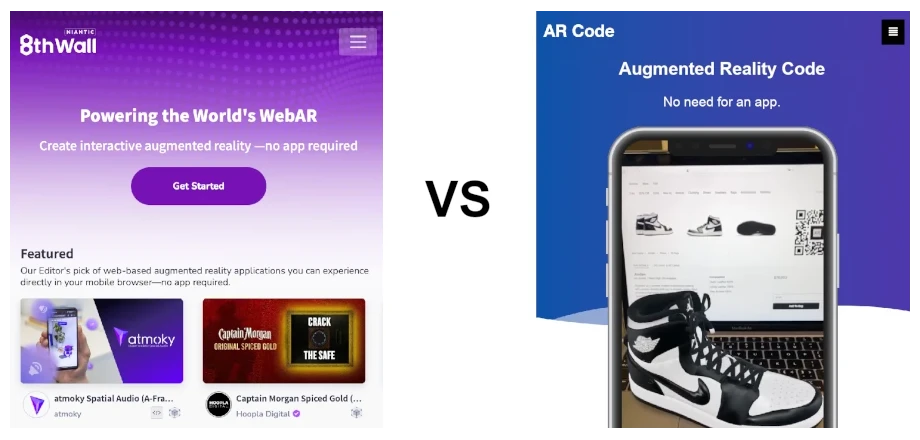
Web-based augmented reality (AR) is revolutionizing business marketing, sales, and product demonstrations by enabling browser-based AR experiences without an app. The AR Code SaaS platform empowers companies to deliver interactive AR directly through QR Codes, driving customer engagement in retail, e-commerce,...
164,000 AR experiences
74,605 Scans per day
149,499 Creators